Products
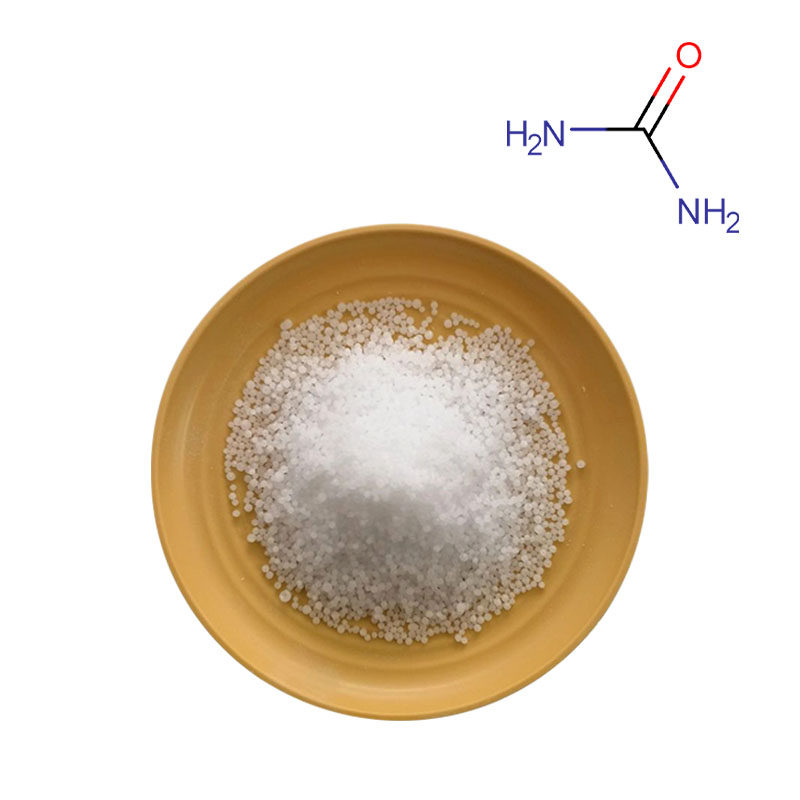
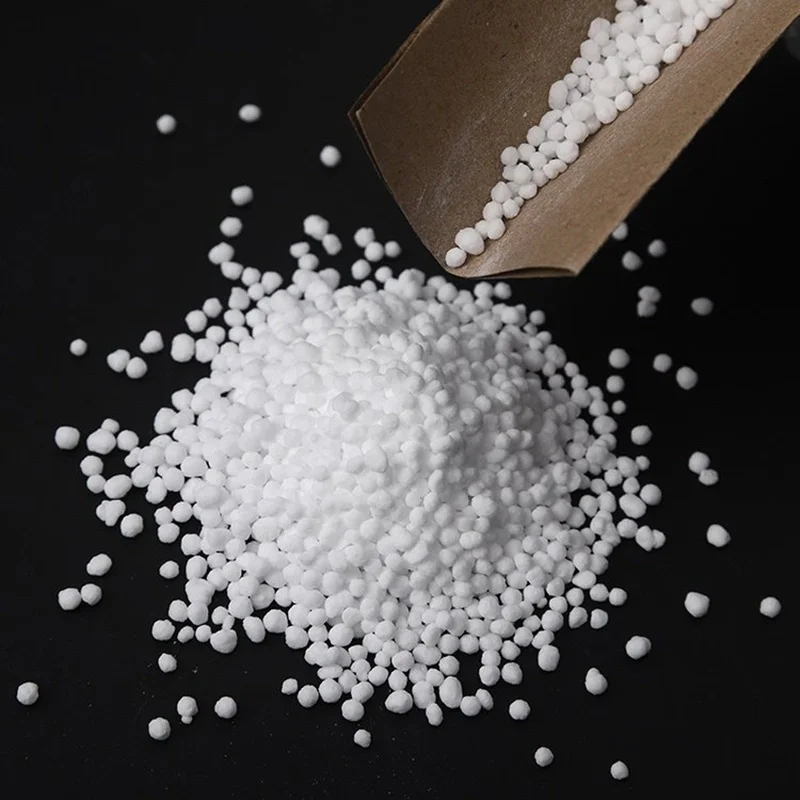
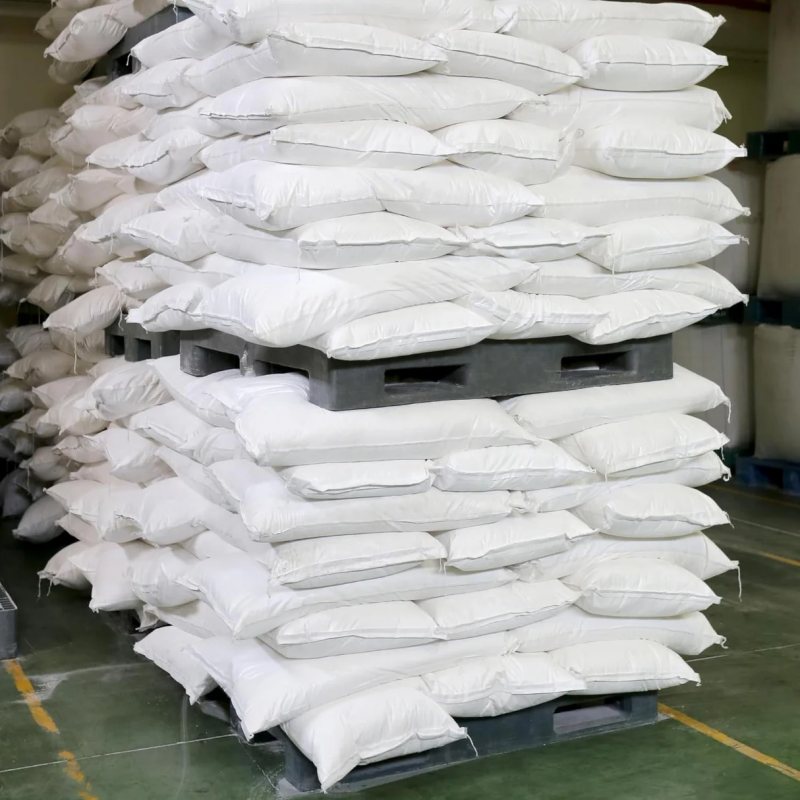
Urea CAS#57-13-6
Strong Hydrogen-Bonding Capability: Urea forms an extensive and stable hydrogen-bond network both in the solid state and in aqueous systems, enhancing its interaction with other molecules.
Excellent Water Solubility: Due to its strong affinity for hydrogen bonding with water, urea dissolves readily, enabling efficient use in aqueous formulations and processing systems.
Chemically Stable and Reactive Structure: The sp²-hybridized carbon and partial double-bond character of the C–N bonds provide structural stability while maintaining useful chemical reactivity.
High Functional Polarity: The relatively basic carbonyl oxygen enhances urea’s molecular polarity, improving compatibility and performance in chemical, agricultural, and industrial applications.
Product Description of Urea CAS#57-13-6
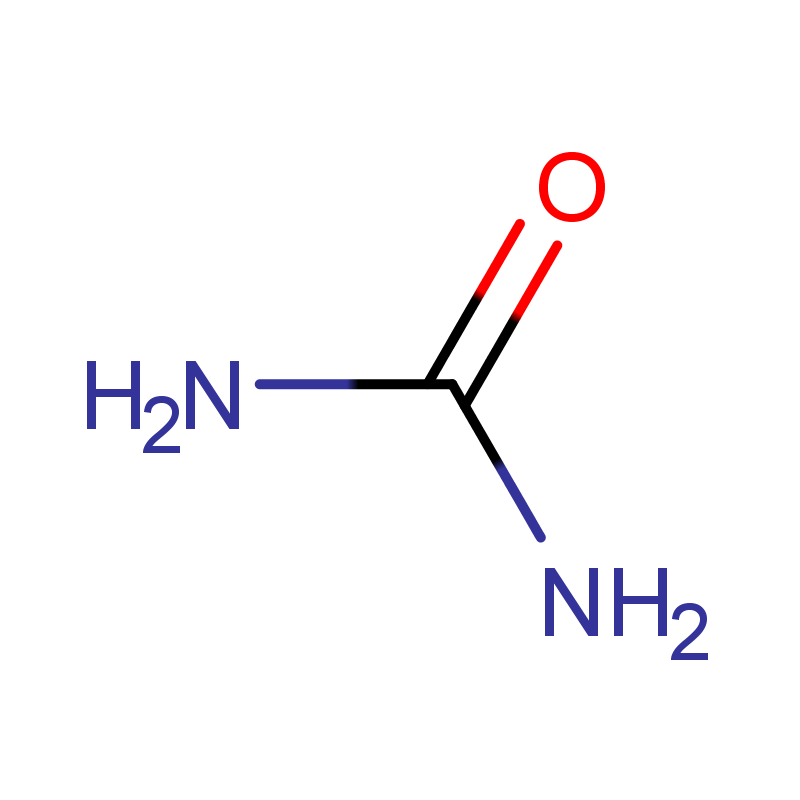
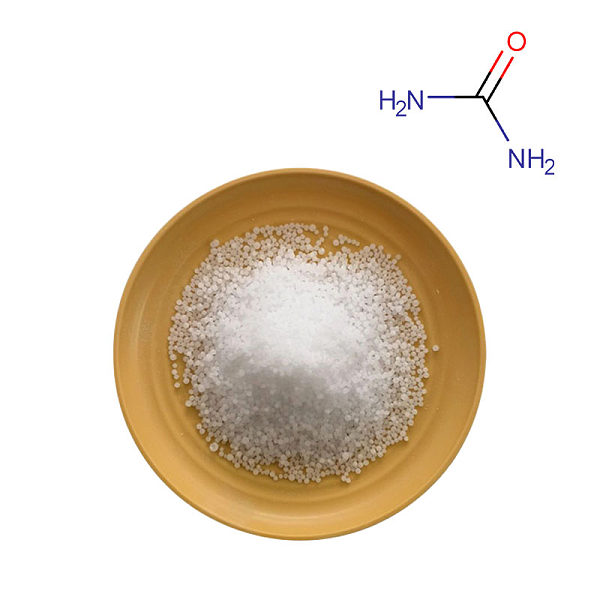
Urea displays state-dependent molecular geometry, adopting a planar configuration in the crystalline state but pyramidal nitrogen geometry in the gas-phase minimum-energy structure. In the solid phase, oxygen atoms form two N–H···O hydrogen bonds each, creating a stable hydrogen-bonding network that disrupts ideal packing and produces an open structure with ribbon-like arrangements and square cross-sectional channels. The sp²-hybridized central carbon imparts significant double-bond character to the C–N bonds, while the carbonyl oxygen shows greater basicity than in formaldehyde. Urea's high aqueous solubility arises from its strong hydrogen-bonding ability with water.
Product Application of Urea CAS#57-13-6
Urea is the primary nitrogen excretion product in mammals, synthesized in the liver from protein metabolism and eliminated in urine. It also occurs naturally in skin as an emollient with diuretic properties. In biochemistry, urea is widely used to denature proteins and solubilize insoluble protein species. It is particularly effective for renaturing proteins denatured with 6 M guanidine chloride, including inclusion bodies, and is often used in combination with guanidine hydrochloride and dithiothreitol to refold denatured proteins into their native conformations.
Parameters
Safety Information


Delivery Time
Inventory 2-3 working days New manufacturing 7-10 working days
Mode of Transportation
1. By Air, fast but expensive.
2. By Sea, usual and economy.
3. By Train, suit for middle Asia countries.
4. By Express, suit for small package.
We only provide highest quality goods available, accompanied by after support!
1. Why Supply Chain Transparency Matters in Global Chemical Procurement
Chemical buyers evaluate more than price and delivery time. Clear specifications, matching batch documents, consistent packaging information, and traceable logistics all affect customs clearance, warehouse inspection, and production use.
When selecting a supplier, buyers should review how the company confirms specifications, manages documents, handles changes, and responds to problems. Transparent processes help reduce order risks and improve long-term procurement reliability.
2. Seven Essential Details for a Chemical Product Inquiry
A product name alone is often insufficient for an accurate quotation. Buyers should provide the product name and CAS number, key specifications or purity, final application, required quantity, packaging requirements, destination, and expected delivery time or preferred Incoterms.
If COA, SDS, TDS, special labels, certifications, or registration documents are required, these details should also be included in the initial inquiry. Complete information helps suppliers confirm product, logistics, and documentation conditions more efficiently.
3. What Are the Differences Between COA, SDS, and TDS?
A COA is a batch-specific Certificate of Analysis showing test items, required ranges, and actual results. It is mainly used for quality verification and incoming inspection.
An SDS provides safety, handling, storage, emergency, and transportation information. A TDS describes typical product properties, technical parameters, and application guidance. Buyers should confirm the required document version, language, and applicable standards before placing an order.
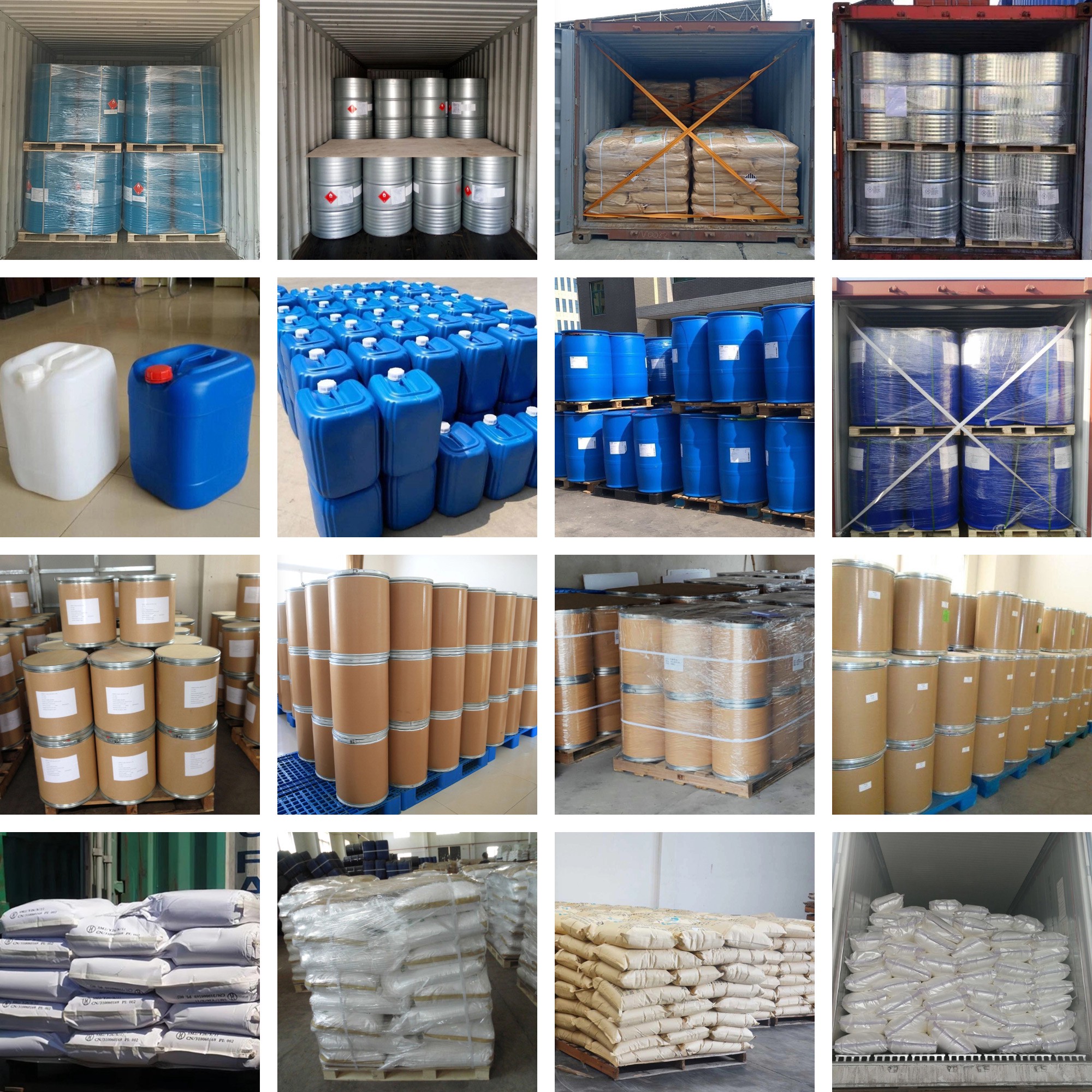
4. Key Conditions to Confirm Before International Chemical Transportation
Before shipment, confirm the product identity, physical form, transport classification, and applicable regulations. An SDS is an important reference, but the final shipping arrangement must also meet regulatory and carrier requirements.
Packaging, sealing, moisture protection, palletizing, labels, ports, documents, Incoterms, and transport schedules should be clearly confirmed. Early verification helps prevent delays caused by carrier restrictions or incomplete documentation.
5. How to Evaluate Chemical Product Sample Test Results
Sample evaluation should consider both product compliance and application performance. Laboratory results do not always guarantee the same performance in every formulation or production process.
Before testing, record the sample batch, COA, storage condition, and sampling method. During application tests, keep consistent records of formulation, dosage, process conditions, and results. After approval, reconfirm the formal order specifications, inspection method, packaging, and batch documents.
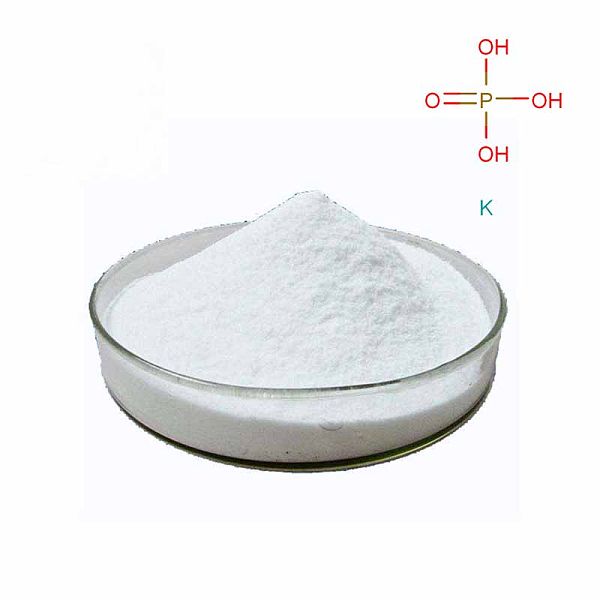
 Potassium Phosphate Monobasic CAS#7778-77-0Potassium Phosphate Monobasic CAS 7778-77-0 with high purity, strong solubility and buffering performance for food, feed, agriculture and industry.
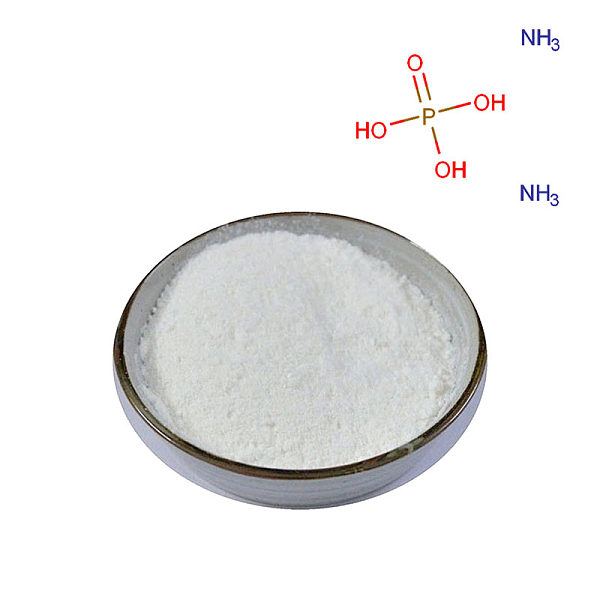
 Diammonium Phosphate CAS#7783-28-0Diammonium Phosphate CAS 7783-28-0 with stable quality, easy handling and wide use in fertilizer, food, feed and industrial applications.
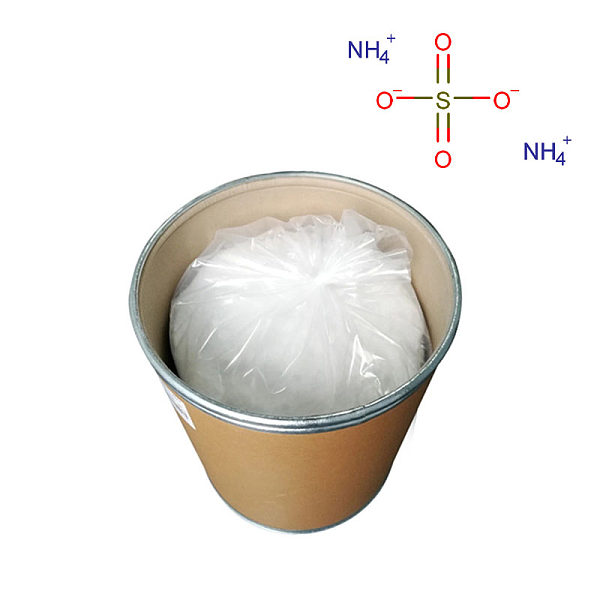
 Ammonium sulfate CAS#7783-20-2Ammonium sulfate CAS 7783-20-2 with ≥99% purity, high water solubility, and stable properties for fertilizer and industrial applications.
 Urea CAS#57-13-6
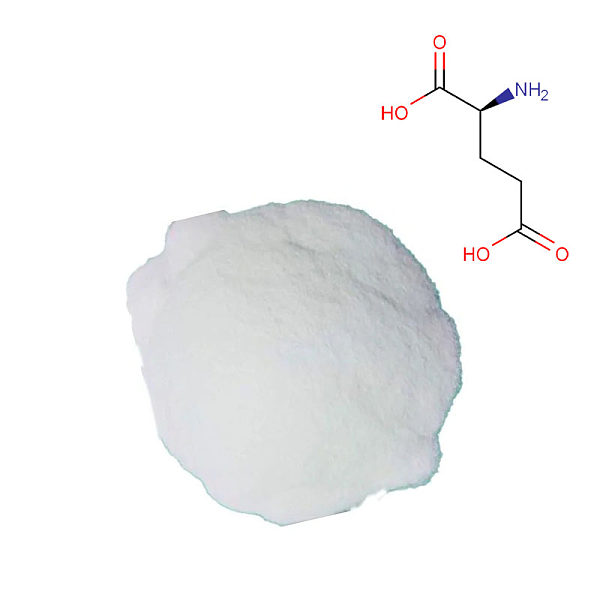
 Polyglutamic Acid CAS#25513-46-6Polyglutamic Acid CAS 25513-46-6 is a biodegradable, water-soluble biopolymer for cosmetics, food and medical applications.
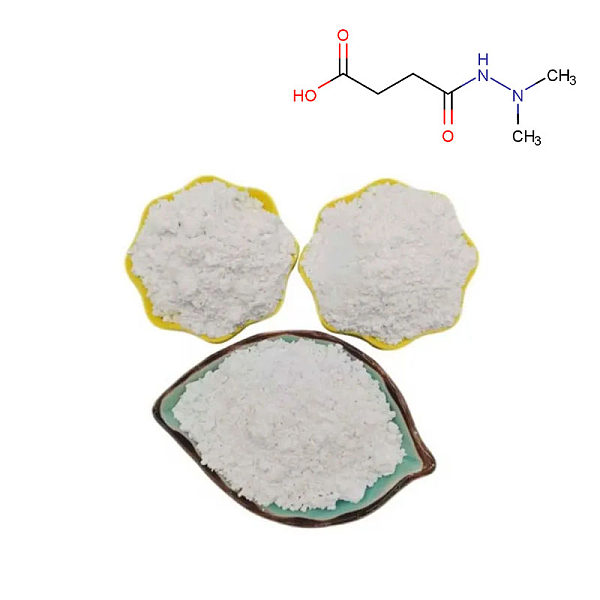
 Daminozide CAS#1596-84-5Daminozide CAS 1596-84-5 is a plant growth regulator that promotes compact growth, stress resistance, and improved flowering in crops.
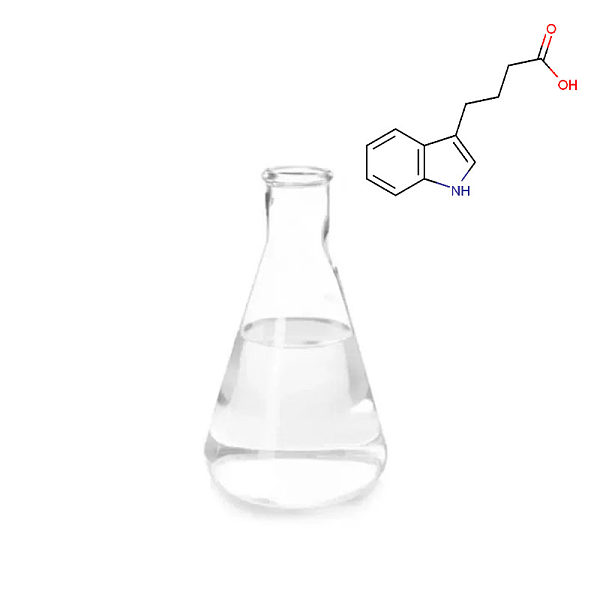
 Indole-3-Butyric Acid CAS#133-32-4Indole-3-Butyric Acid CAS 133-32-4 is a plant auxin that promotes root growth, cell development and stable performance for agrochemical use.
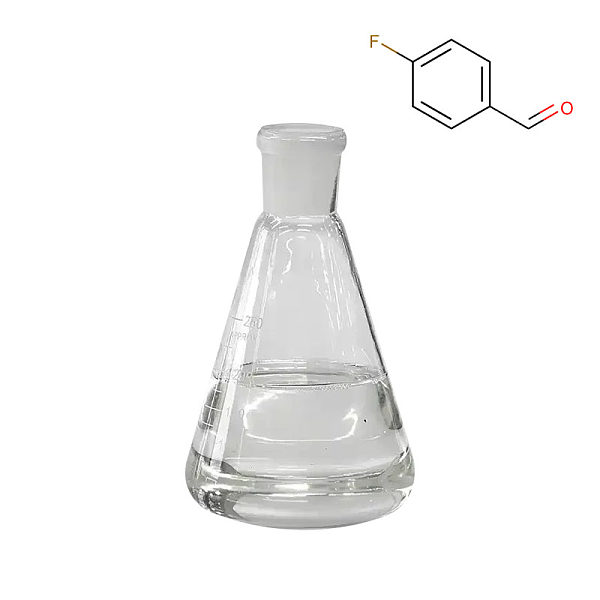
 4-Fluorobenzaldehyde CAS#459-57-44-Fluorobenzaldehyde CAS 459-57-4 is a key organic synthesis intermediate for pharmaceuticals and fine chemicals, offering versatile aldehyde reactivity.
Send Us Your Inquiry Today

Kaiweiao Chemical is a professional chemical product supplier with ample stock of all chemical categories and excellent quality, welcome your purchase inquiry.