Products
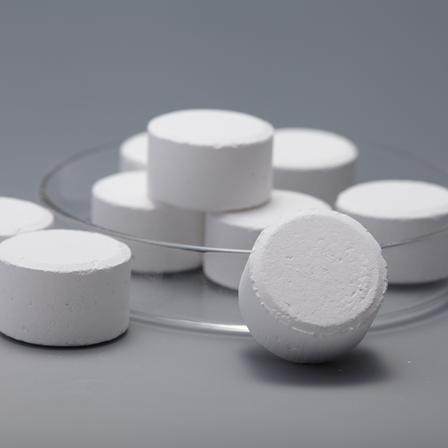
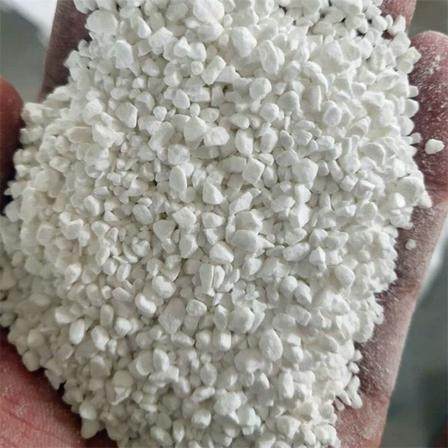
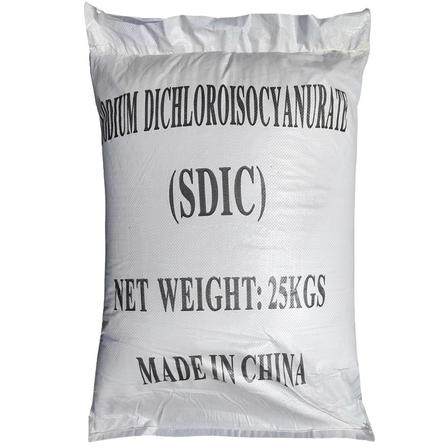
Sodium Dichloroisocyanurate (SDIC)
Applications
· Swimming pool & circulating industrial water disinfection and algae removal
· Aquaculture: fish pond sterilization, disease prevention
· Public sanitation: hospital, hotel, livestock farm surface disinfection
· Textile industry: wool anti shrink treatment, oxidative bleaching
· Food processing environment sanitization, agricultural seed disinfection
Packaging & Transportation
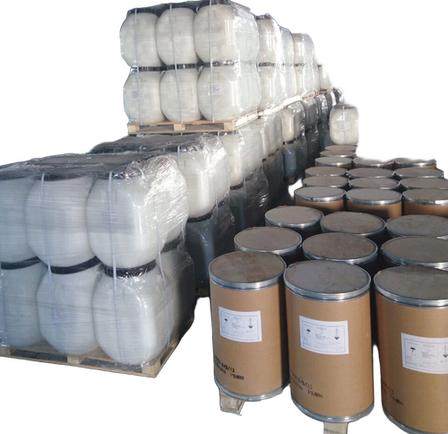
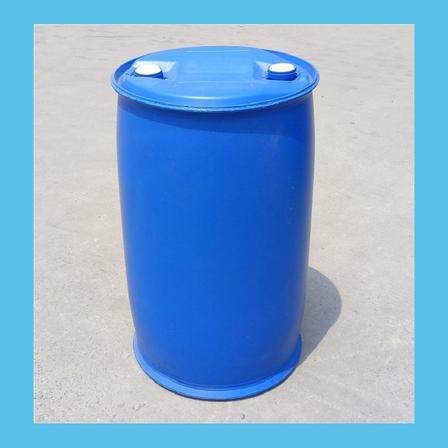
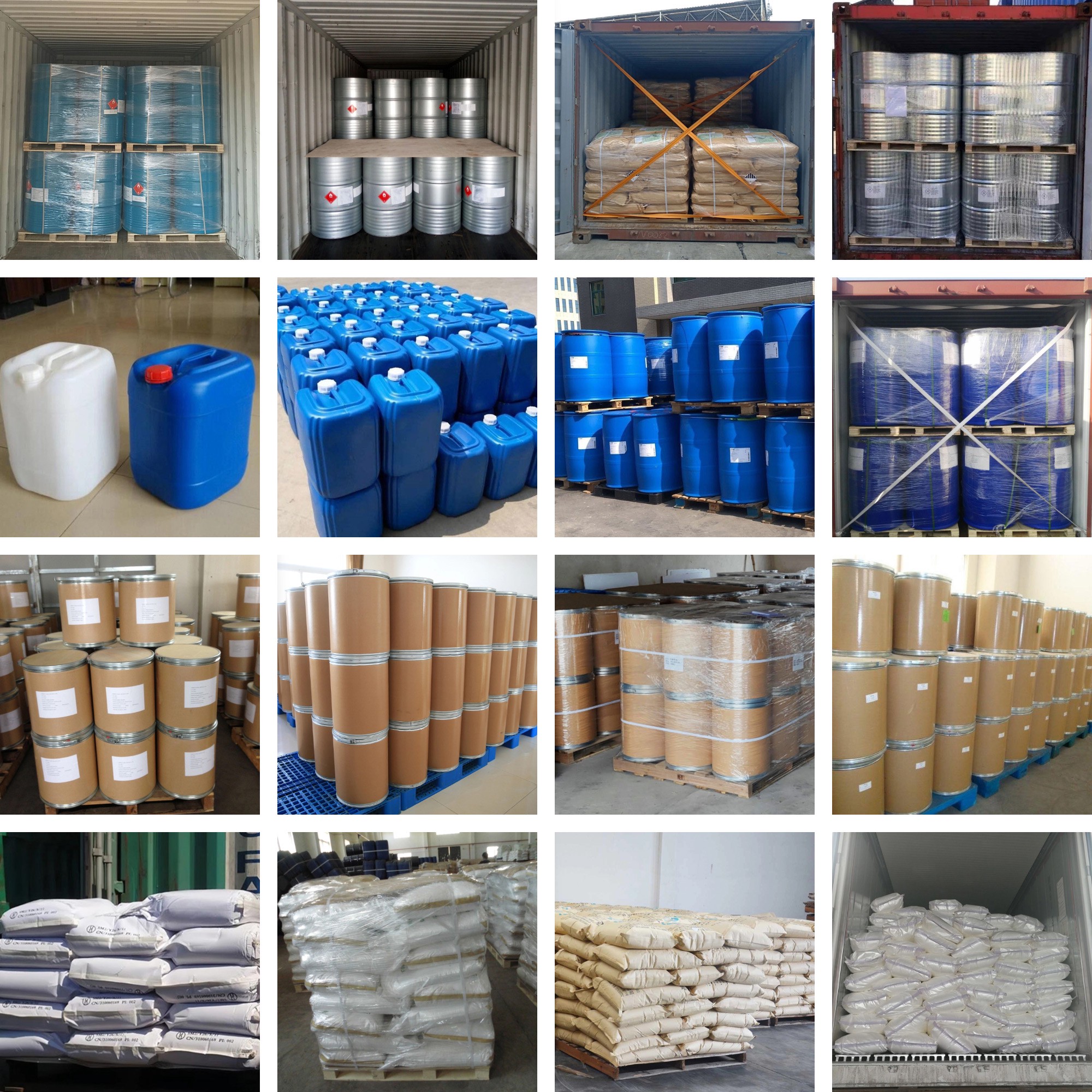
· Standard export package: 25kg / 50kg UN certified plastic drums with inner PE liner;custom sizes:1kg,5kg,10kg,20kg drums available;tablets in small carton for retail orders。
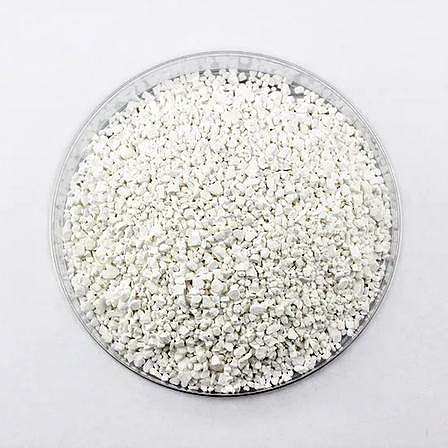
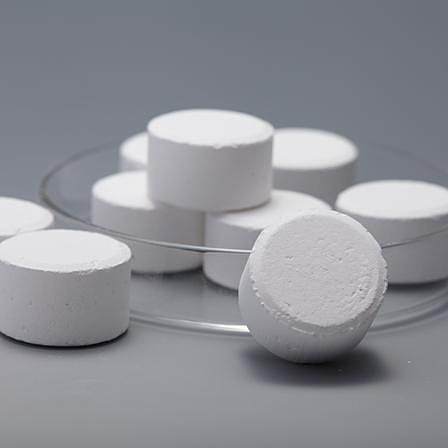
· Form options: powder, granular(8 30mesh /20 60mesh), custom size tablets(1g,3.3g,200g etc.)
· Transport note: Class 5.1 oxidizing dangerous goods. Require DG booking, UN approved packaging, GHS English hazard labels, IMDG compliance. Must keep away from acid, ammonia, reducing materials during storage & transit. Sealed cool dry warehouse storage, shelf life 24 months under proper condition。
· Container loading: 20GP full container load(FCL) bulk drum shipment available.


Delivery Time
Inventory 2-3 working days New manufacturing 7-10 working days
Mode of Transportation
1. By Air, fast but expensive.
2. By Sea, usual and economy.
3. By Train, suit for middle Asia countries.
4. By Express, suit for small package.
We only provide highest quality goods available, accompanied by after support!
1. Why Supply Chain Transparency Matters in Global Chemical Procurement
Chemical buyers evaluate more than price and delivery time. Clear specifications, matching batch documents, consistent packaging information, and traceable logistics all affect customs clearance, warehouse inspection, and production use.
When selecting a supplier, buyers should review how the company confirms specifications, manages documents, handles changes, and responds to problems. Transparent processes help reduce order risks and improve long-term procurement reliability.
2. Seven Essential Details for a Chemical Product Inquiry
A product name alone is often insufficient for an accurate quotation. Buyers should provide the product name and CAS number, key specifications or purity, final application, required quantity, packaging requirements, destination, and expected delivery time or preferred Incoterms.
If COA, SDS, TDS, special labels, certifications, or registration documents are required, these details should also be included in the initial inquiry. Complete information helps suppliers confirm product, logistics, and documentation conditions more efficiently.
3. What Are the Differences Between COA, SDS, and TDS?
A COA is a batch-specific Certificate of Analysis showing test items, required ranges, and actual results. It is mainly used for quality verification and incoming inspection.
An SDS provides safety, handling, storage, emergency, and transportation information. A TDS describes typical product properties, technical parameters, and application guidance. Buyers should confirm the required document version, language, and applicable standards before placing an order.
4. Key Conditions to Confirm Before International Chemical Transportation
Before shipment, confirm the product identity, physical form, transport classification, and applicable regulations. An SDS is an important reference, but the final shipping arrangement must also meet regulatory and carrier requirements.
Packaging, sealing, moisture protection, palletizing, labels, ports, documents, Incoterms, and transport schedules should be clearly confirmed. Early verification helps prevent delays caused by carrier restrictions or incomplete documentation.
5. How to Evaluate Chemical Product Sample Test Results
Sample evaluation should consider both product compliance and application performance. Laboratory results do not always guarantee the same performance in every formulation or production process.
Before testing, record the sample batch, COA, storage condition, and sampling method. During application tests, keep consistent records of formulation, dosage, process conditions, and results. After approval, reconfirm the formal order specifications, inspection method, packaging, and batch documents.
") Trichloroisocyanuric Acid (TCCA)Trichloroisocyanuric Acid (TCCA) is high content stabilized chlorine disinfectant. With high available chlorine content, slow release property and outstanding bactericidal & algaecidal performance, it serves swimming pool water, drinking water treatment, industrial circulating water and sanitation disinfection globally
") Sodium Dichloroisocyanurate (SDIC)Sodium Dichloroisocyanurate (SDIC) is a broad spectrum, fast acting oxidative biocide disinfectant. Featuring high water solubility, near neutral pH performance and good storage stability, it is widely adopted for water treatment, aquaculture, public sanitation and textile bleaching applications.
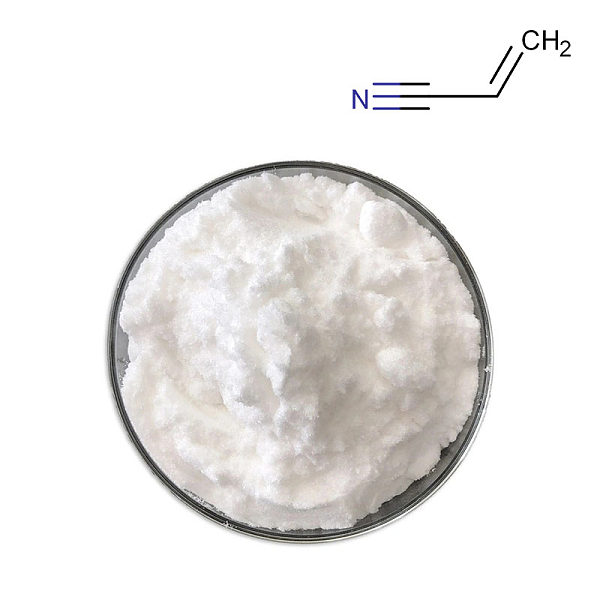
 Polyacrylonitrile CAS#25014-41-9Polyacrylonitrile CAS 25014-41-9 for carbon fiber, flame-retardant textiles, filtration membranes, and reinforced composites.
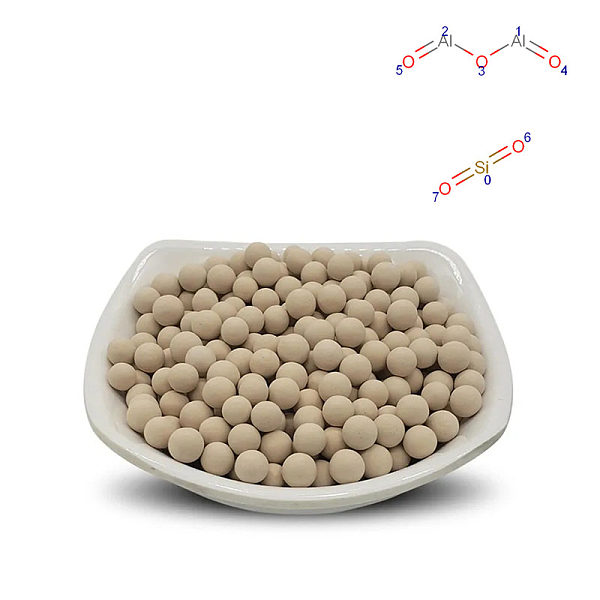
 Zeolite CAS#1318-02-1Zeolite CAS#1318-02-1 features high surface area and porous structure for catalysis, CO2 capture, and wastewater treatment.
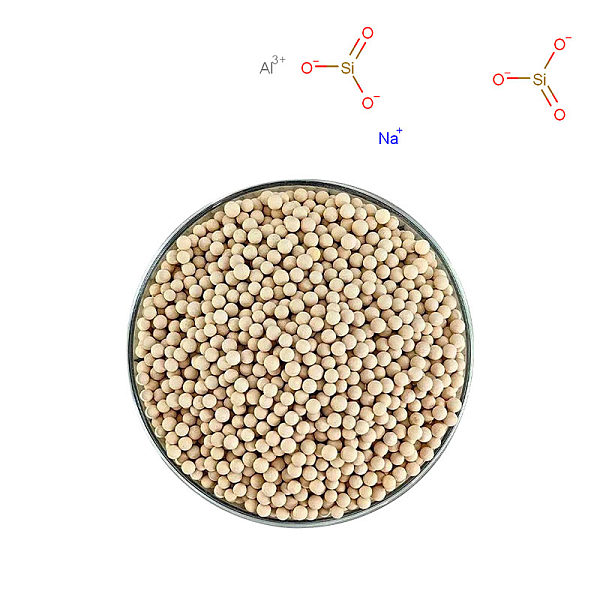
 Molecular sieve 3A CAS#308080-99-1Molecular Sieve 3A CAS 308080-99-1 offers precise adsorption, thermal stability, and efficient drying for gas, ethanol, and refrigerant use.
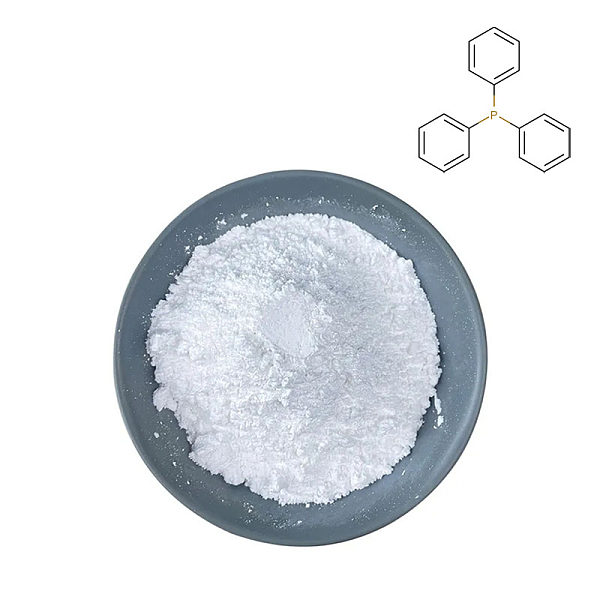
 Triphenylphosphine CAS#603-35-0Triphenylphosphine CAS 603-35-0 is a versatile catalyst ligand and chemical intermediate with high stability for synthesis and industrial applications.
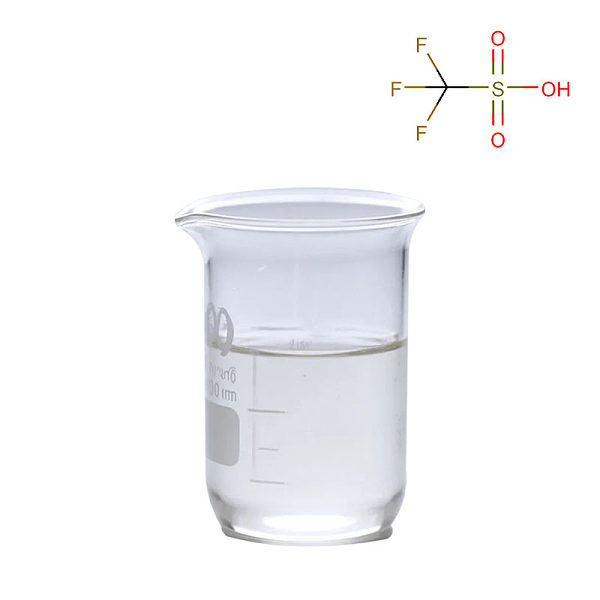
 Trifluoromethanesulfonic acid CAS#1493-13-6Trifluoromethanesulfonic acid CAS 1493-13-6 is a superacid used in pharma, agrochemical and fine chemical synthesis. Explore product details.
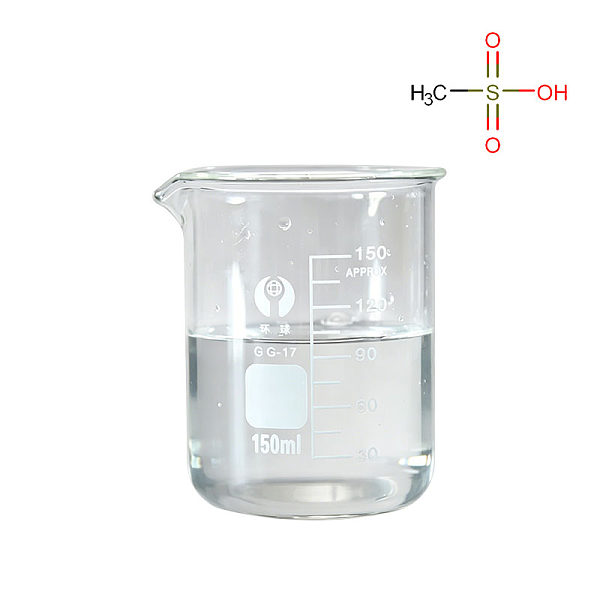
 Methanesulfonic acid CAS#75-75-2
Send Us Your Inquiry Today
Kaiweiao Chemical is a professional chemical product supplier with ample stock of all chemical categories and excellent quality, welcome your purchase inquiry.