Products
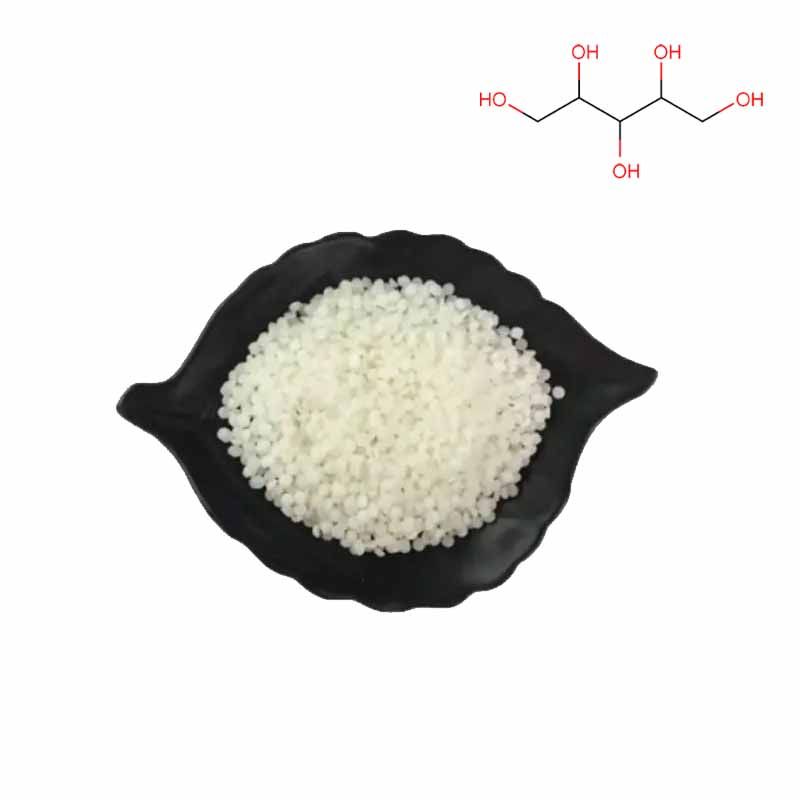
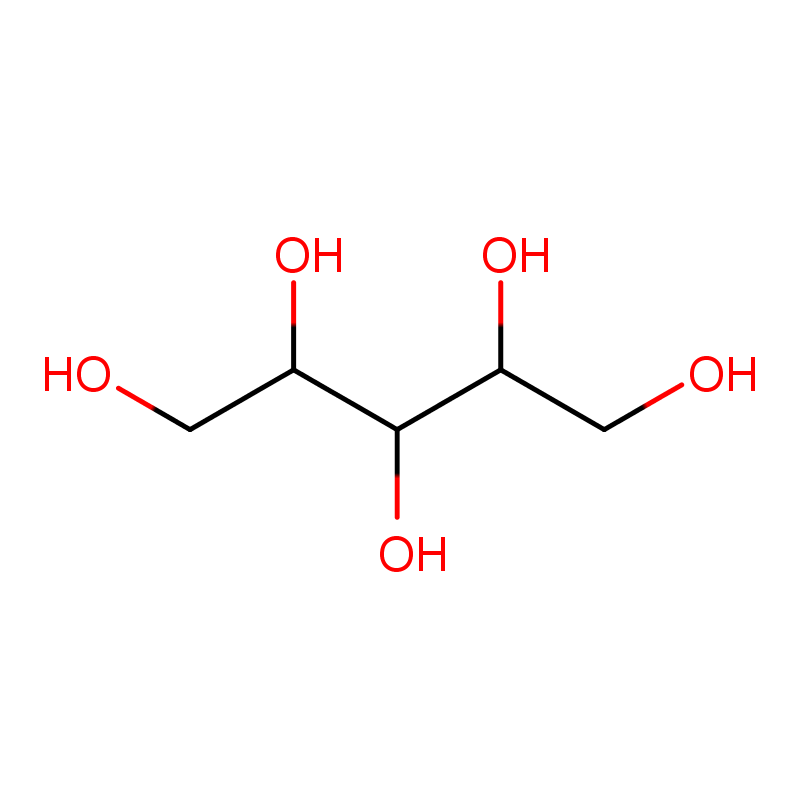
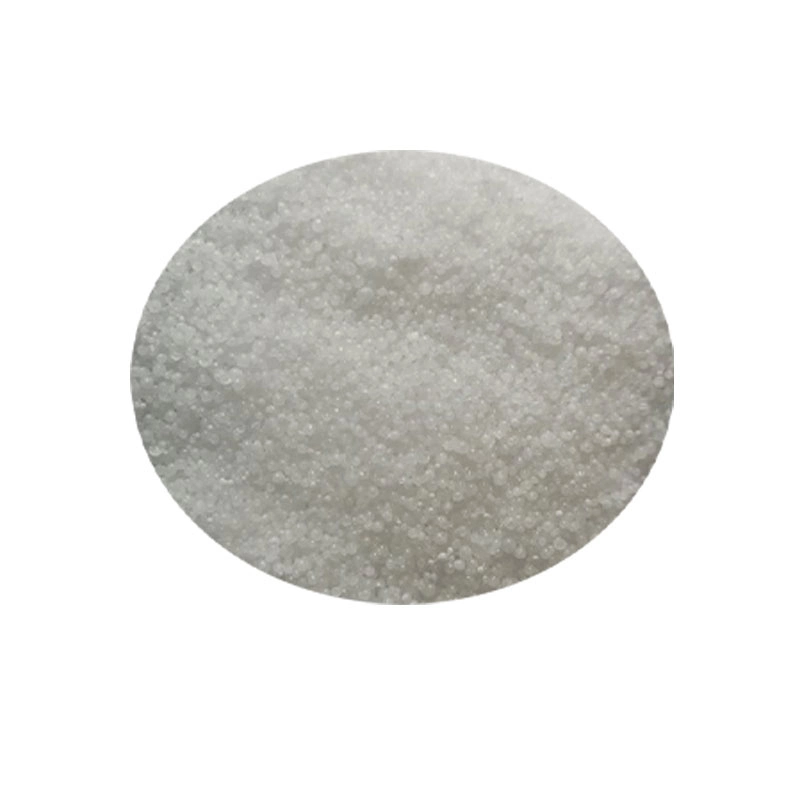
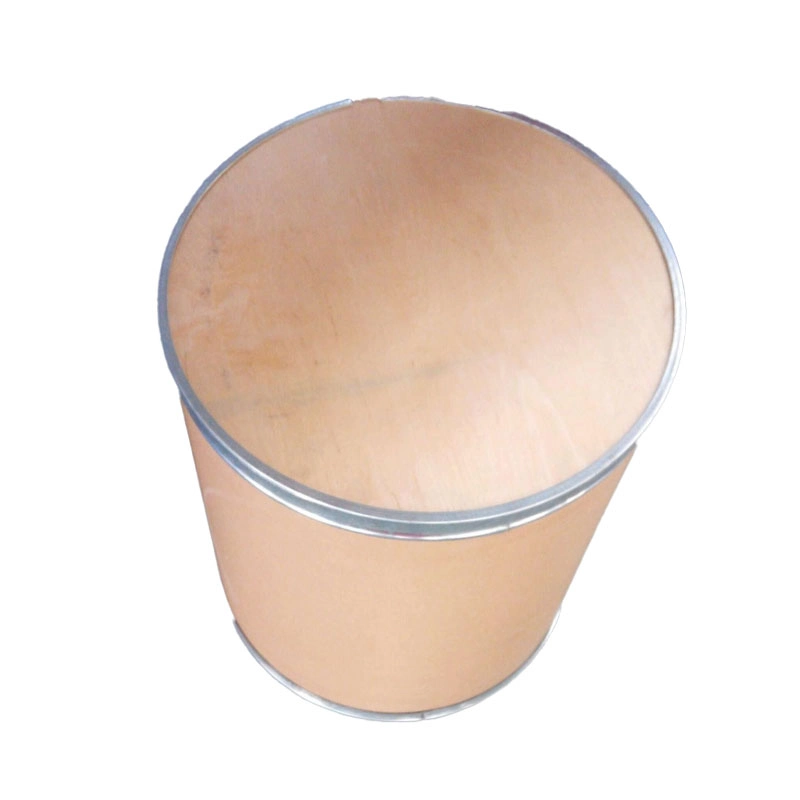
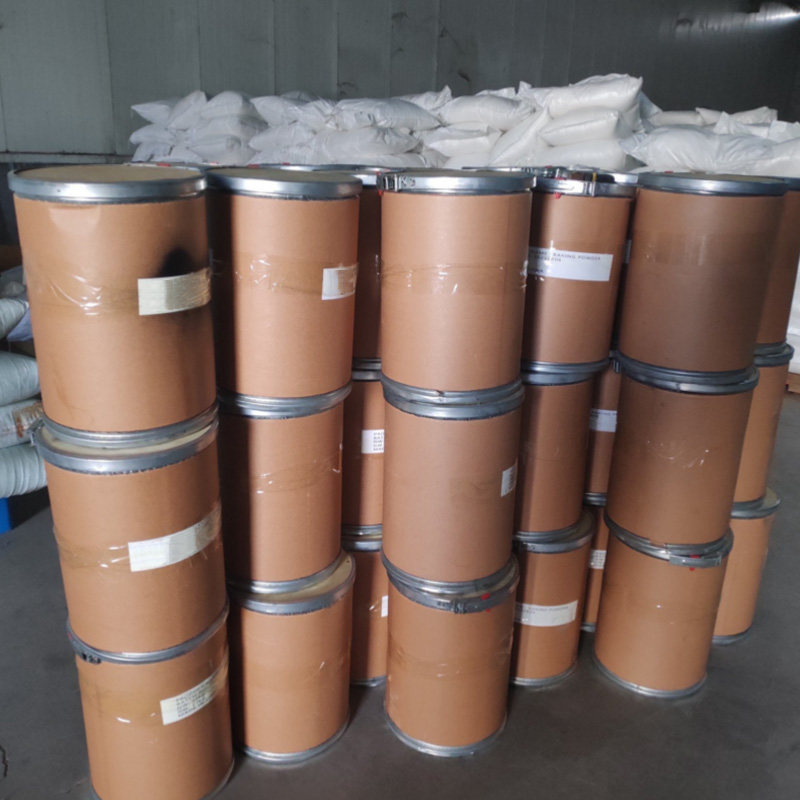
Xylitol CAS#87-99-0
Diabetic-friendly Sweetener:Does not raise blood sugar due to insulin-independent metabolism.
Energy & Health support:Replaces glucose/fructose, aids nucleic acid synthesis, and detoxification.
Liver & Metabolic benefits:Inhibits ketone body formation, enhances liver function, and promotes fat metabolism.
Dental & Food safety:Prevents tooth decay and has antiseptic effects; yeast/bacteria cannot utilize it.
Product Description of Xylitol CAS#87-99-0
Widely used in condiments, beverages, jams, candies and baked goods, it is also tooth-friendly: it cannot be fermented by harmful oral bacteria and has antibacterial effects to protect oral health.
Product Application of Xylitol CAS#87-99-0
Xylitol is a polyhydric alcohol and a natural sugar substitute, commercially produced through the hydrolysis of xylan-rich plants such as birch to extract xylose. With a sweetness level equivalent to sucrose, it dissolves rapidly in formulations and exhibits a negative heat of solution, imparting a refreshing cooling sensation. It provides 24 kcal per gram of energy.Due to its favorable properties, xylitol is widely utilized in applications such as chewing gum, throat lozenges, and chocolate, offering a sweet taste without compromising product quality.
Parameters
Safety Information


Delivery Time
Inventory 2-3 working days New manufacturing 7-10 working days
Mode of Transportation
1. By Air, fast but expensive.
2. By Sea, usual and economy.
3. By Train, suit for middle Asia countries.
4. By Express, suit for small package.
We only provide highest quality goods available, accompanied by after support!
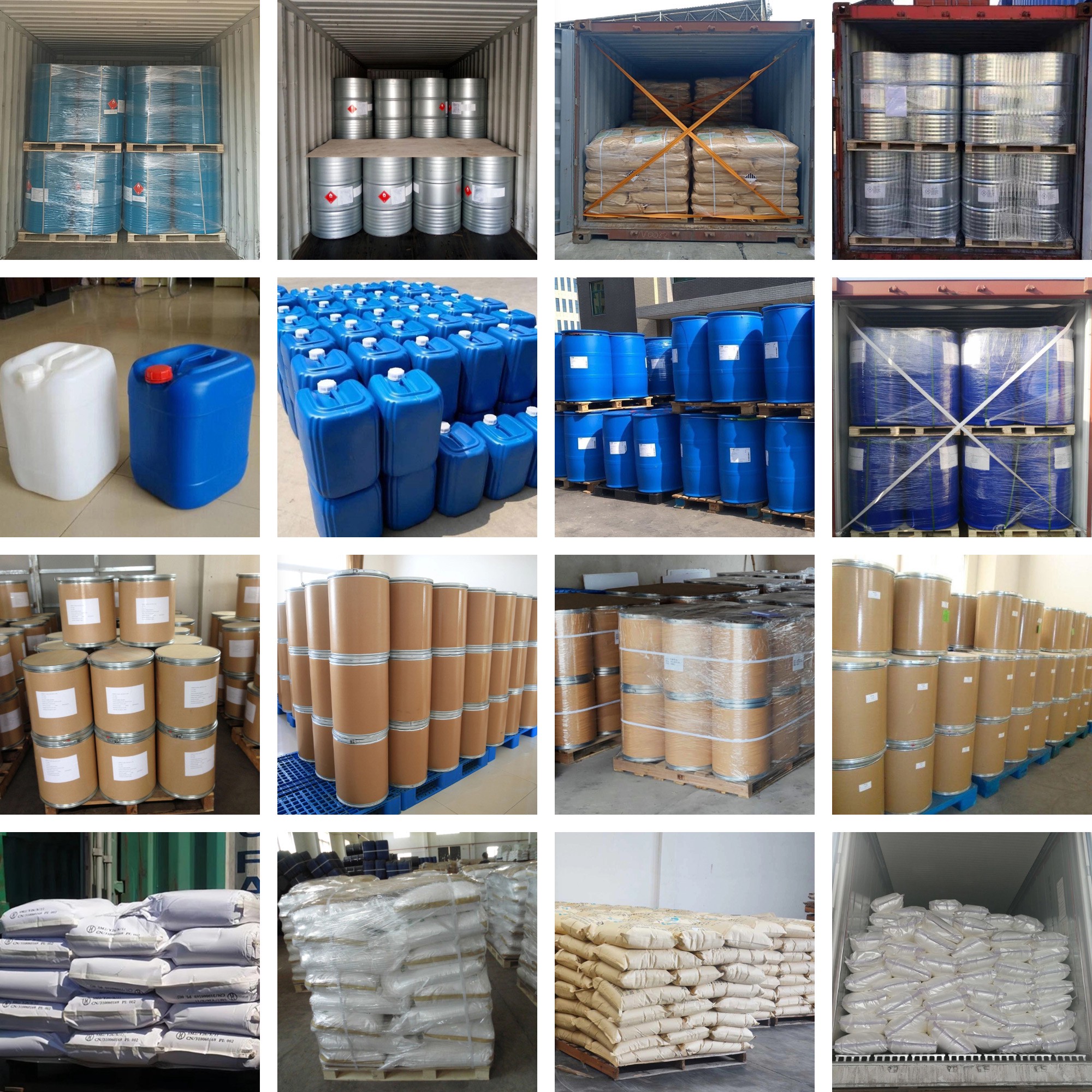
1. Why Supply Chain Transparency Matters in Global Chemical Procurement
Chemical buyers evaluate more than price and delivery time. Clear specifications, matching batch documents, consistent packaging information, and traceable logistics all affect customs clearance, warehouse inspection, and production use.
When selecting a supplier, buyers should review how the company confirms specifications, manages documents, handles changes, and responds to problems. Transparent processes help reduce order risks and improve long-term procurement reliability.
2. Seven Essential Details for a Chemical Product Inquiry
A product name alone is often insufficient for an accurate quotation. Buyers should provide the product name and CAS number, key specifications or purity, final application, required quantity, packaging requirements, destination, and expected delivery time or preferred Incoterms.
If COA, SDS, TDS, special labels, certifications, or registration documents are required, these details should also be included in the initial inquiry. Complete information helps suppliers confirm product, logistics, and documentation conditions more efficiently.
3. What Are the Differences Between COA, SDS, and TDS?
A COA is a batch-specific Certificate of Analysis showing test items, required ranges, and actual results. It is mainly used for quality verification and incoming inspection.
An SDS provides safety, handling, storage, emergency, and transportation information. A TDS describes typical product properties, technical parameters, and application guidance. Buyers should confirm the required document version, language, and applicable standards before placing an order.
4. Key Conditions to Confirm Before International Chemical Transportation
Before shipment, confirm the product identity, physical form, transport classification, and applicable regulations. An SDS is an important reference, but the final shipping arrangement must also meet regulatory and carrier requirements.
Packaging, sealing, moisture protection, palletizing, labels, ports, documents, Incoterms, and transport schedules should be clearly confirmed. Early verification helps prevent delays caused by carrier restrictions or incomplete documentation.
5. How to Evaluate Chemical Product Sample Test Results
Sample evaluation should consider both product compliance and application performance. Laboratory results do not always guarantee the same performance in every formulation or production process.
Before testing, record the sample batch, COA, storage condition, and sampling method. During application tests, keep consistent records of formulation, dosage, process conditions, and results. After approval, reconfirm the formal order specifications, inspection method, packaging, and batch documents.
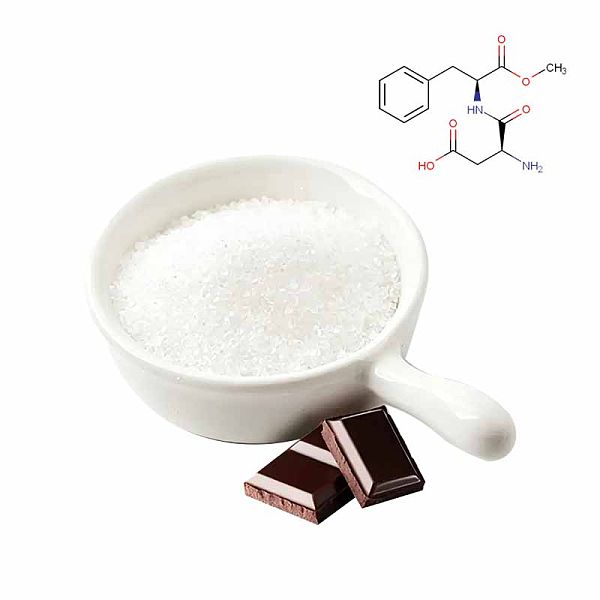
 Aspartame CAS#22839-47-0Aspartame CAS 22839-47-0 is a low-calorie sweetener with clean sugar-like taste, ideal for sugar-free foods, drinks, dairy and confectionery.
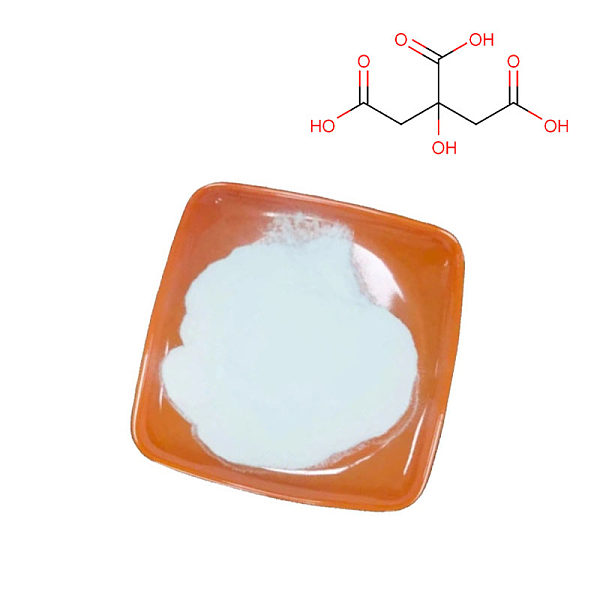
 Citric acid CAS#77-92-9Citric Acid CAS 77-92-9 is a versatile organic acid used in food, pharma, and chemical industries. Natural, stable, and highly soluble.
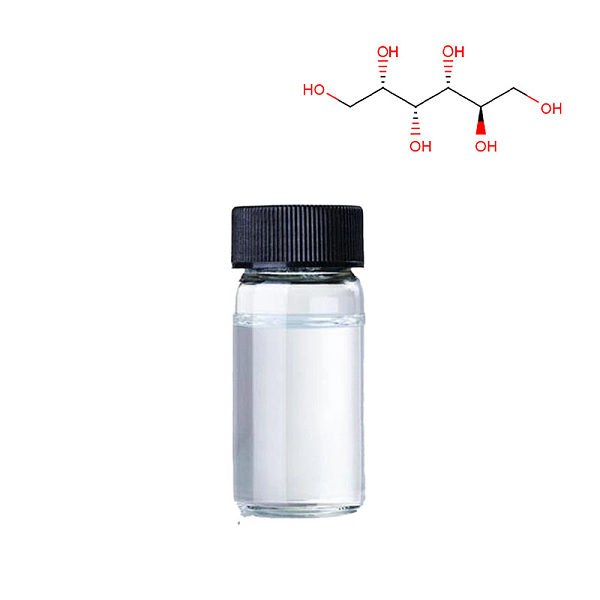
 Sorbitol CAS#50-70-4Sorbitol CAS 50-70-4 is a versatile polyol for food, pharma and chemical use, ideal for vitamin C, surfactants and low-calorie sweeteners.
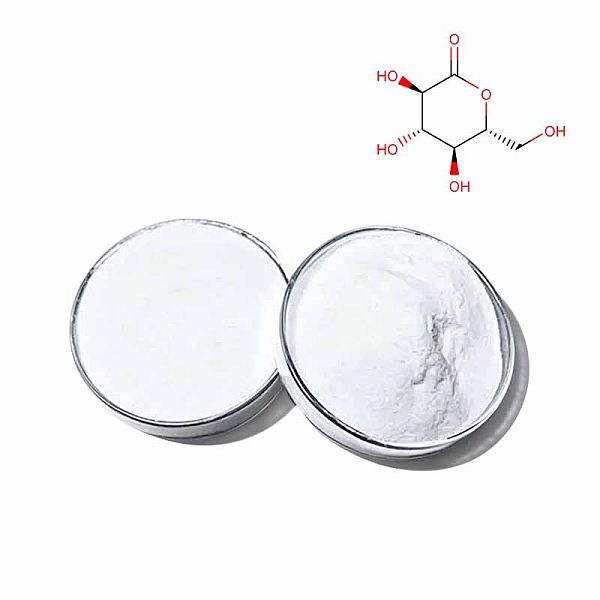
-Glucono-1,5-lactone CAS#90-80-2") D-(+)-Glucono-1,5-lactone CAS#90-80-2
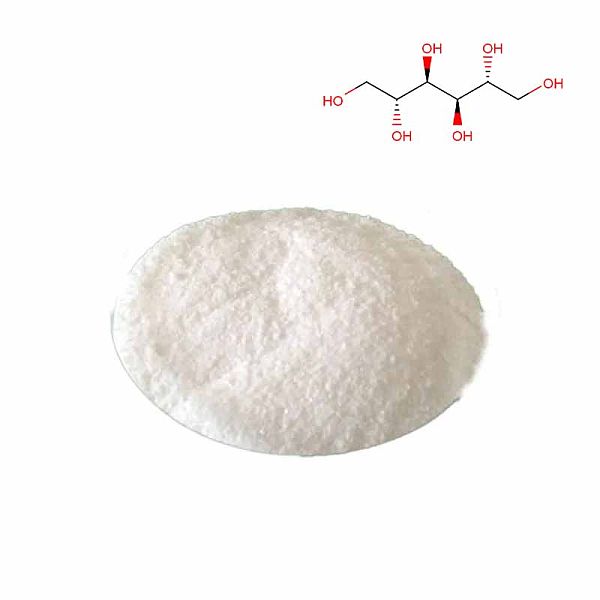
D-(+)-Glucono-1,5-lactone CAS#90-80-2 D-Mannitol CAS#69-65-8D-Mannitol CAS 69-65-8 is a versatile food additive and chemical material used in sweeteners, resins, plasticizers and analysis.
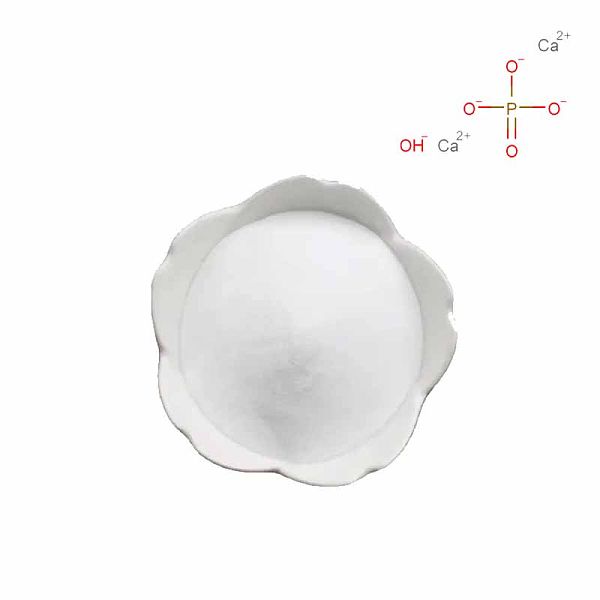
 HydroxyapatiteCAS#1306-06-5Hydroxyapatite CAS 1306-06-5 with ≥99% purity, white odorless powder, high thermal stability and reliable performance for industrial uses.
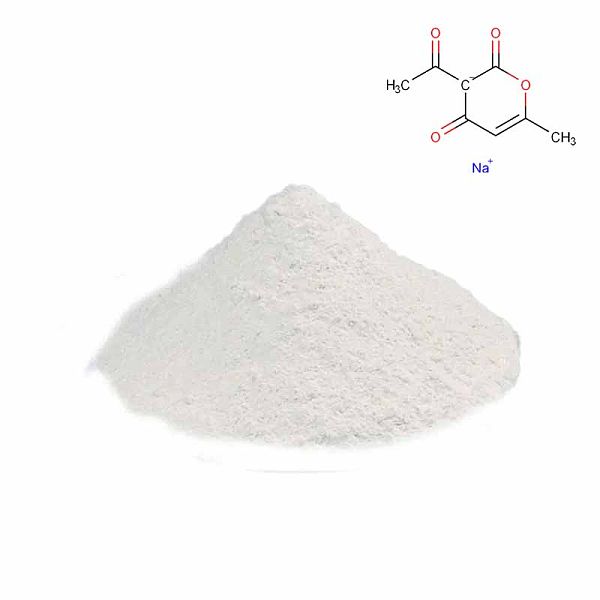
 Sodium dehydroacetate CAS#4418-26-2Sodium dehydroacetate CAS 4418-26-2 with high purity, strong heat stability, and water solubility for cosmetics and personal care use.
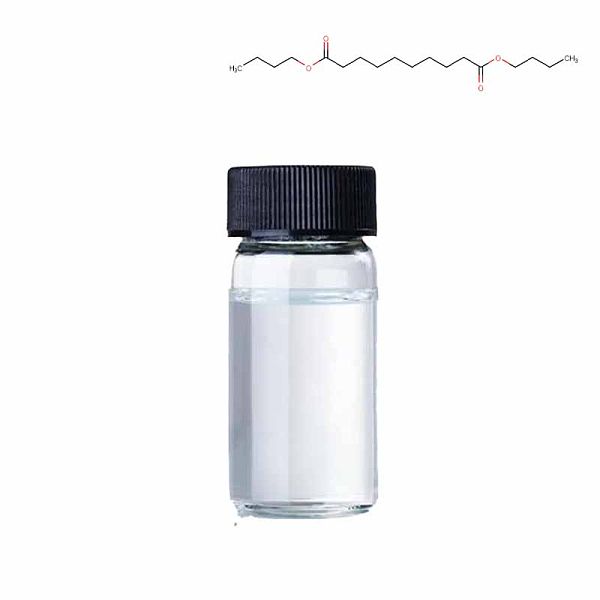
 Dibutyl sebacate CAS#109-43-3Dibutyl sebacate CAS 109-43-3 with ≥99% purity, excellent solvent compatibility, and high thermal stability for industrial applications.
Send Us Your Inquiry Today

Kaiweiao Chemical is a professional chemical product supplier with ample stock of all chemical categories and excellent quality, welcome your purchase inquiry.