Products
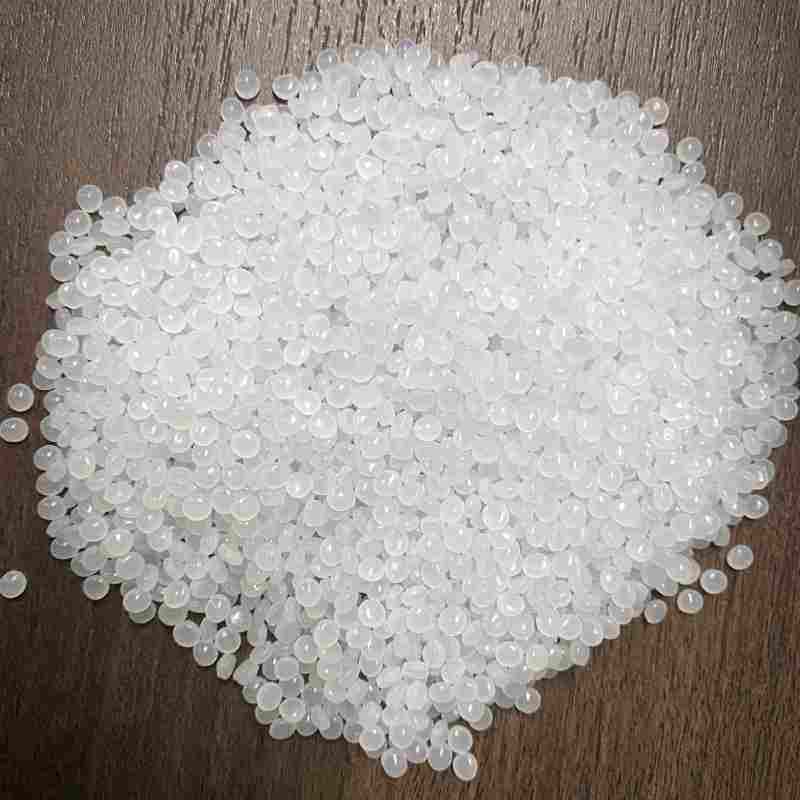
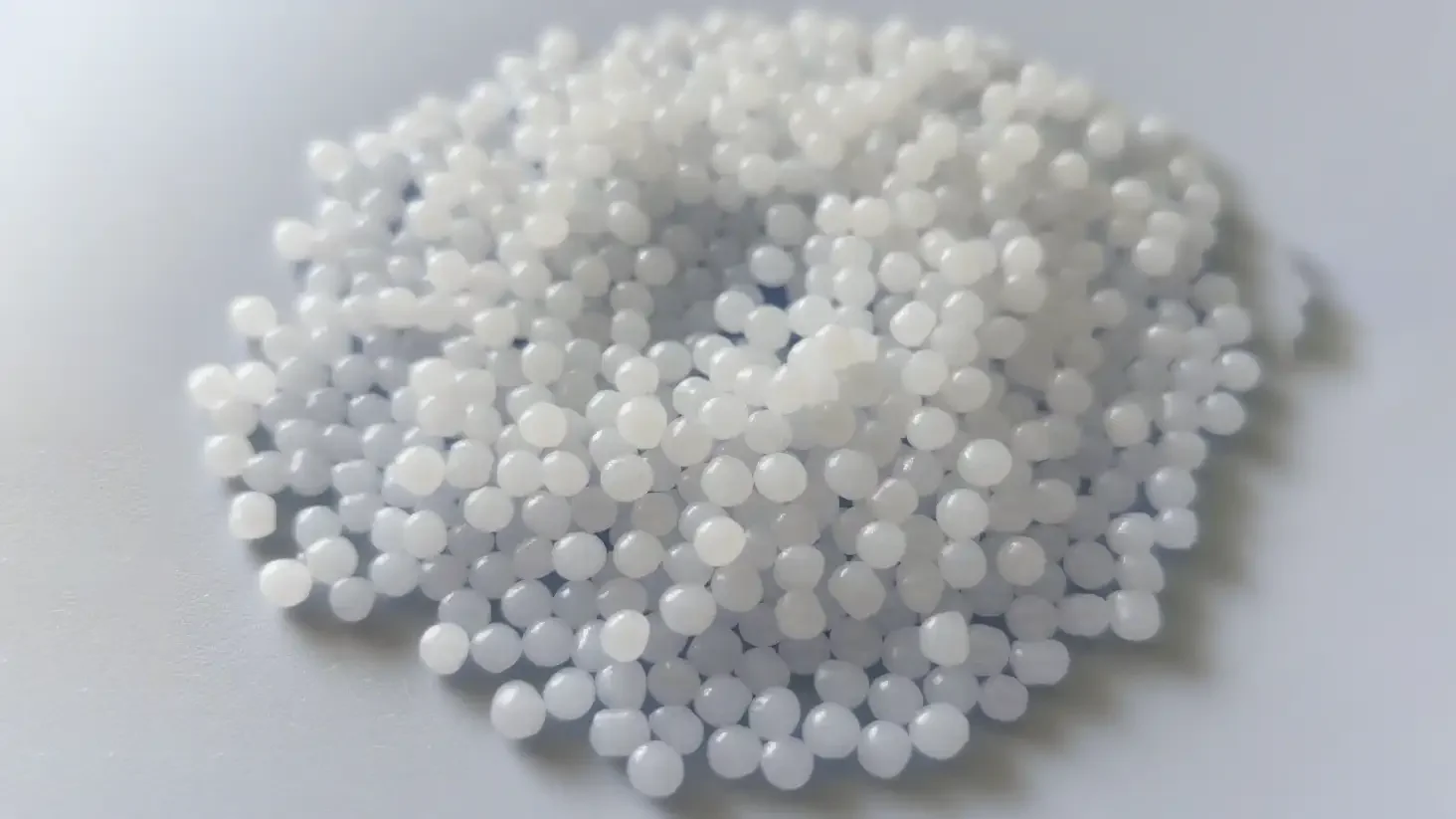
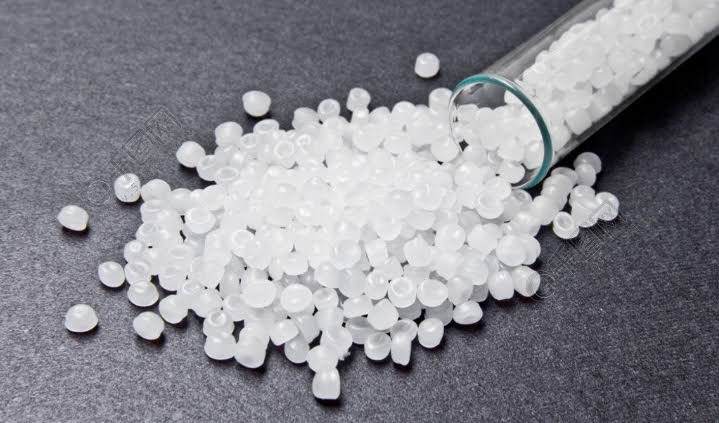
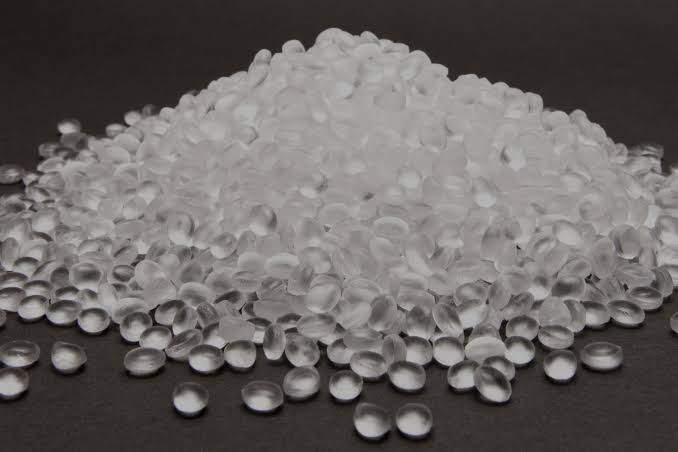
Polyethylene PE
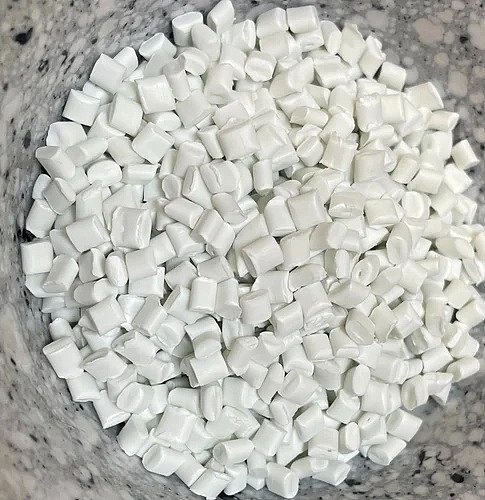
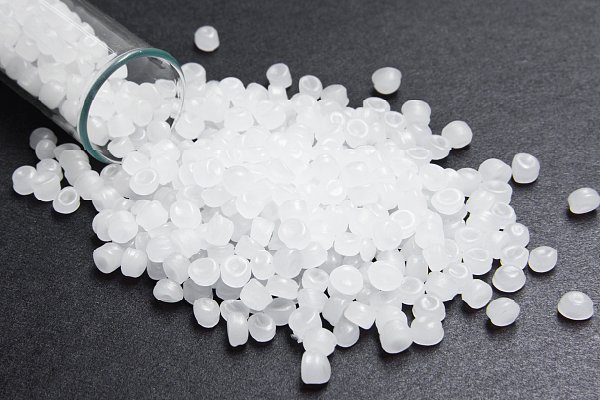
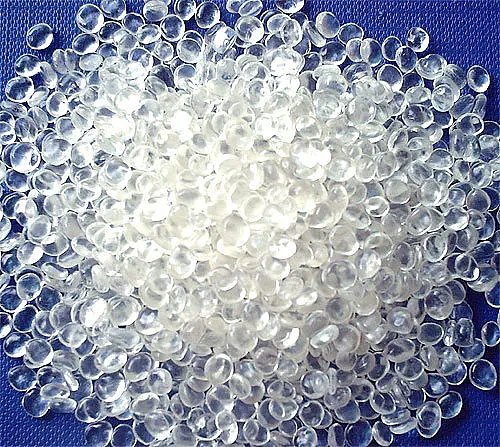
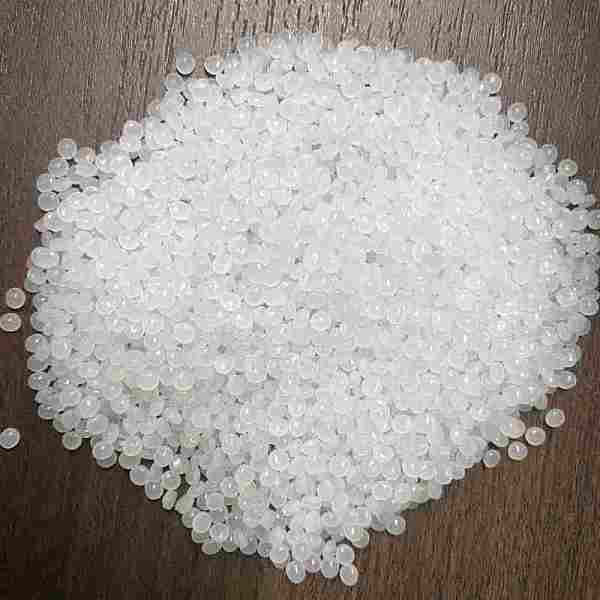
Appearance: White Granules
Main Types: LLDPE, HDPE, LDPE
excellent electrical insulation.
Product Description of Polyethylene PE
Abbreviation: PE Resin Appearance: White Granules Main Types: LLDPE, HDPE, LDPE Brands: Sabic, Marlex, Qapco, DOW, Borouge,ExxonMobil, Lyondellbasell,etc. Application: Widely used in the manufacture of films,pipes, plates, wires and cables, various shaped products, etc.
Product Application of Polyethylene PE
Widely used in the manufacture of films,pipes, plates, wires and cables, various shaped products, etc.
Polyethylene PE resins thermoplastc resn obtaned by poymerzation ofethylene. n Industy, also ncludes copoymers ofethylene and a smallamount of aolefins. Polyethylene is odorles, non-toxic, fels like wax, has excelentlowtemperature resistance, and the lowest operating temperature can reach-100 -T0°C.It has good chemical stablity and is restant to most acids and alkalis. PE resin is insoluble in common sovents at room temperature, low water absopton.
excellent electrical insulation.
The polyethylene resin can be processed by general thermoplastic molding methods. It has a wide range of uses, and can be used to manutacture fims,packagng materals contaners, ppes, monofilaments, wres and cables, daly necesstes, etc., and can also be used as high-trequency nsulation materals tor TVs and radars.
Classification of Polyethylene Resin
Polyethylene (PE) is one of the simplest molecular stuctures among resins. It has rich sources of rawmaterials, low price, excelent electrical insulation and chemical stablity, easy mo dng and procesing, and many varieties, which can mee dferen pertomance requrements. As an Important themoplastic poymer;PE resin can be divided into the followng different types according to different manufacturing processes and molecular structures.
1. LLDPE resin is nor-toxic, tasteles, odorless milly white partdles. It has excelentenvironmental stes cracking resistance and electrical insulation, high heat
resistance, impact resistance and puncure resistance, ete Flms, daly necessties, Plpes wres and cables can be produced y inection molcing. Extrusion blow molding and other molding methods.
2. HDPE resin s non-toxte, odoress white granules Through nection moldng, blow moding, extusion molding, rotatonal moding and other modng methods
it can produce fim products, daily necesites and various holow containers forindustial use. pipes, calendering tapes and igatures for packaging, ropes fishing nets and weaving. Fibers, wires and cables, etc.
3. LDPE resin is tasteless, odoriess, non-toxic, miky white waxy partcles with matte surface. Procesing methods such as injection moding, extusion molding,and blow molding can be used. Mainly used as agricultural fim, industrial packaging fim, pharmaceutical and food packaging fim, mechanical parts, dalynecessities, building materials, wires, cable insulation, coating and synthetic paper, etc.
Polyethylene Properties

Delivery Time
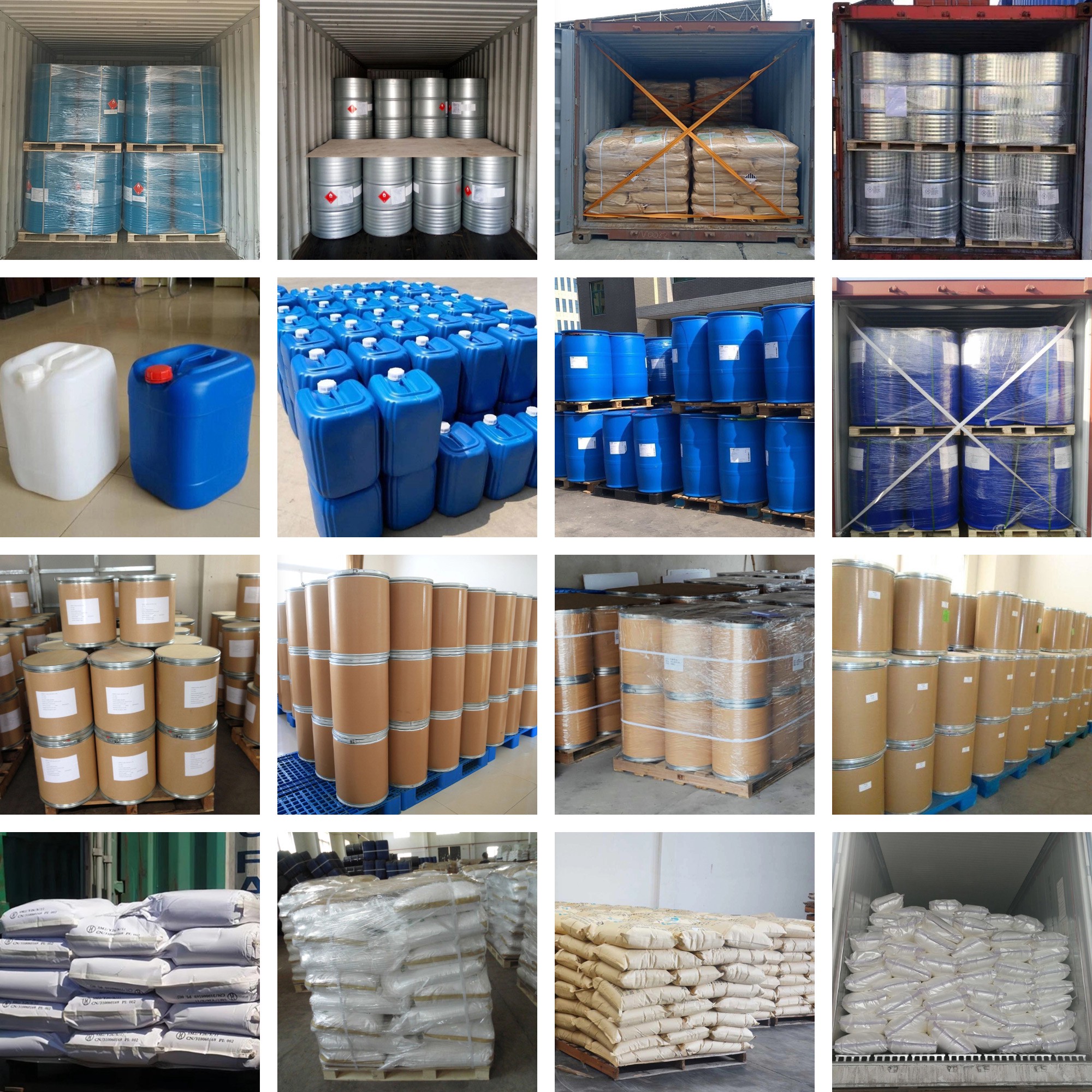
Inventory 2-3 working days New manufacturing 7-10 working days
Mode of Transportation
1. By Air, fast but expensive.
2. By Sea, usual and economy.
3. By Train, suit for middle Asia countries.
4. By Express, suit for small package.
We only provide highest quality goods available, accompanied by after support!
1. Why Supply Chain Transparency Matters in Global Chemical Procurement
Chemical buyers evaluate more than price and delivery time. Clear specifications, matching batch documents, consistent packaging information, and traceable logistics all affect customs clearance, warehouse inspection, and production use.
When selecting a supplier, buyers should review how the company confirms specifications, manages documents, handles changes, and responds to problems. Transparent processes help reduce order risks and improve long-term procurement reliability.
2. Seven Essential Details for a Chemical Product Inquiry
A product name alone is often insufficient for an accurate quotation. Buyers should provide the product name and CAS number, key specifications or purity, final application, required quantity, packaging requirements, destination, and expected delivery time or preferred Incoterms.
If COA, SDS, TDS, special labels, certifications, or registration documents are required, these details should also be included in the initial inquiry. Complete information helps suppliers confirm product, logistics, and documentation conditions more efficiently.
3. What Are the Differences Between COA, SDS, and TDS?
A COA is a batch-specific Certificate of Analysis showing test items, required ranges, and actual results. It is mainly used for quality verification and incoming inspection.
An SDS provides safety, handling, storage, emergency, and transportation information. A TDS describes typical product properties, technical parameters, and application guidance. Buyers should confirm the required document version, language, and applicable standards before placing an order.
4. Key Conditions to Confirm Before International Chemical Transportation
Before shipment, confirm the product identity, physical form, transport classification, and applicable regulations. An SDS is an important reference, but the final shipping arrangement must also meet regulatory and carrier requirements.
Packaging, sealing, moisture protection, palletizing, labels, ports, documents, Incoterms, and transport schedules should be clearly confirmed. Early verification helps prevent delays caused by carrier restrictions or incomplete documentation.
5. How to Evaluate Chemical Product Sample Test Results
Sample evaluation should consider both product compliance and application performance. Laboratory results do not always guarantee the same performance in every formulation or production process.
Before testing, record the sample batch, COA, storage condition, and sampling method. During application tests, keep consistent records of formulation, dosage, process conditions, and results. After approval, reconfirm the formal order specifications, inspection method, packaging, and batch documents.
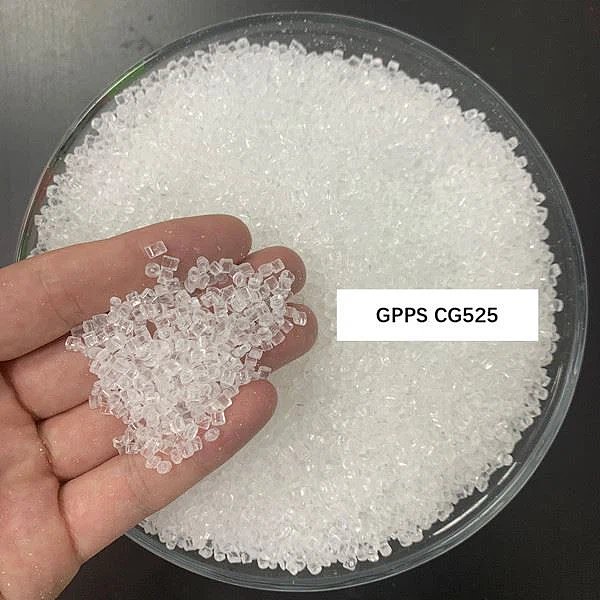
") General Purpose Polystyrene (GGPS)GPPS plastic is short for General Purpose Polystyrene. It is a colorless, transparent thermoplastic with good rigidity but relatively low toughness. Its chemical formula is (C8H8)n, and its CAS number is 9003-53-6.
General Purpose Polystyrene (GGPS)GPPS plastic is short for General Purpose Polystyrene. It is a colorless, transparent thermoplastic with good rigidity but relatively low toughness. Its chemical formula is (C8H8)n, and its CAS number is 9003-53-6.") Polypropylene(PP)Polypropylene is lightweight, wear-resistant, antibacterial, and easy to dye, making it widely used in clothing, blankets, and other fiber products. It also possesses good insulation properties, leading to its use in manufacturing casings and components for appliances such as refrigerators, washing machines, air conditioners, and televisions. Furthermore, its excellent chemical stability, heat resistance, transparency, and mechanical properties make it suitable for manufacturing medical devices.
Polypropylene(PP)Polypropylene is lightweight, wear-resistant, antibacterial, and easy to dye, making it widely used in clothing, blankets, and other fiber products. It also possesses good insulation properties, leading to its use in manufacturing casings and components for appliances such as refrigerators, washing machines, air conditioners, and televisions. Furthermore, its excellent chemical stability, heat resistance, transparency, and mechanical properties make it suitable for manufacturing medical devices.") Low-Density Polyethylene (LDPE)Low-density polyethylene (LDPE) is the lightest type of polyethylene resin. It appears as milky white, tasteless, odorless, non-toxic, and matte waxy granules. It possesses good flexibility, extensibility, electrical insulation, transparency, ease of processing, and a certain degree of air permeability.
Low-Density Polyethylene (LDPE)Low-density polyethylene (LDPE) is the lightest type of polyethylene resin. It appears as milky white, tasteless, odorless, non-toxic, and matte waxy granules. It possesses good flexibility, extensibility, electrical insulation, transparency, ease of processing, and a certain degree of air permeability.") Ethylene Vinyl Acetate(EVA)EVA is an important polymer material, and its industrial production typically employs a high-pressure continuous bulk polymerization process, in which nonpolar ethylene and highly polar vinyl acetate undergo a polymerization reaction under high temperature and pressure conditions.
Ethylene Vinyl Acetate(EVA)EVA is an important polymer material, and its industrial production typically employs a high-pressure continuous bulk polymerization process, in which nonpolar ethylene and highly polar vinyl acetate undergo a polymerization reaction under high temperature and pressure conditions. Acrylonitrile Butadiene StyreneABS plastic is a terpolymer of acrylonitrile (A), butadiene (B), and styrene (S). It combines the properties of the three components: acrylonitrile provides high hardness and strength, heat resistance, and corrosion resistance; butadiene provides impact resistance and toughness; and styrene provides high gloss, easy coloring, and easy processing.
 Polyvinyl Chloride PVCPolyvinyl chloride (PVC) is a thermoplastic resin made from vinyl chloride monomer (VCM) through a polymerization reaction. It is one of the world's most produced general-purpose plastics. Depending on the amount of plasticizer added, it can be divided into rigid PVC and flexible PVC, and is widely used in building materials, packaging, electronics, medical and other fields.
 Polyethylene PEAbbreviation: PE Resin Appearance: White Granules Main Types: LLDPE, HDPE, LDPE Brands: Sabic, Marlex, Qapco, DOW, Borouge,ExxonMobil, Lyondellbasell,etc. Application: Widely used in the manufacture of films,pipes, plates, wires and cables, various shaped products, etc.
Send Us Your Inquiry Today

Kaiweiao Chemical is a professional chemical product supplier with ample stock of all chemical categories and excellent quality, welcome your purchase inquiry.