Products
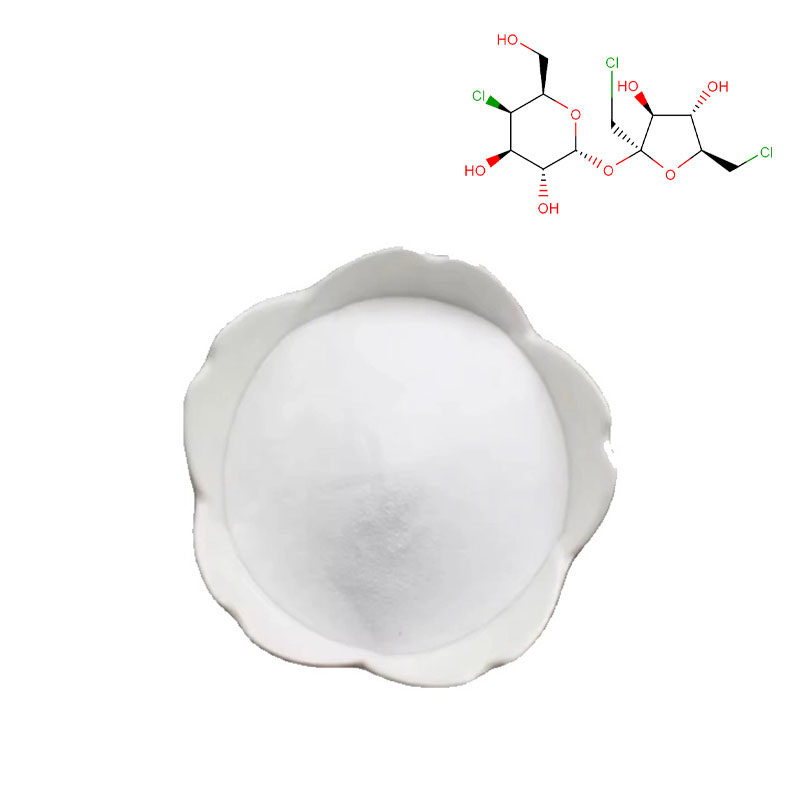
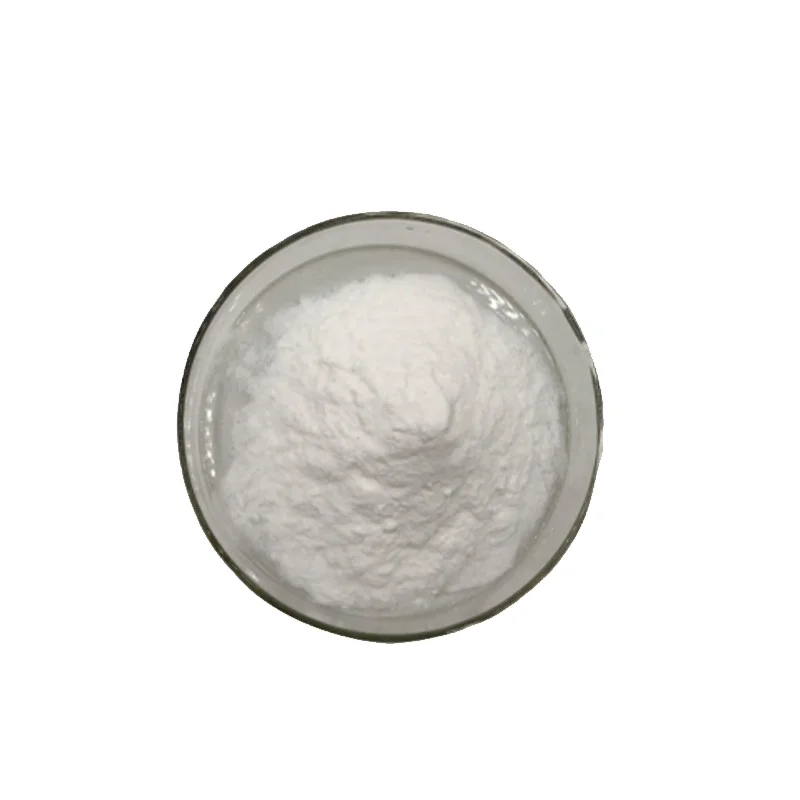
Sucralose CAS#56038-13-2
Zero-Calorie Sweetener from Sugar:Sucralose is the only non-caloric sweetener derived directly from sugar, offering sweetness without added calories.
Ultra-High Sweetness Intensity:Approximately 600 times sweeter than sucrose, twice as sweet as saccharin, and four times sweeter than aspartame.
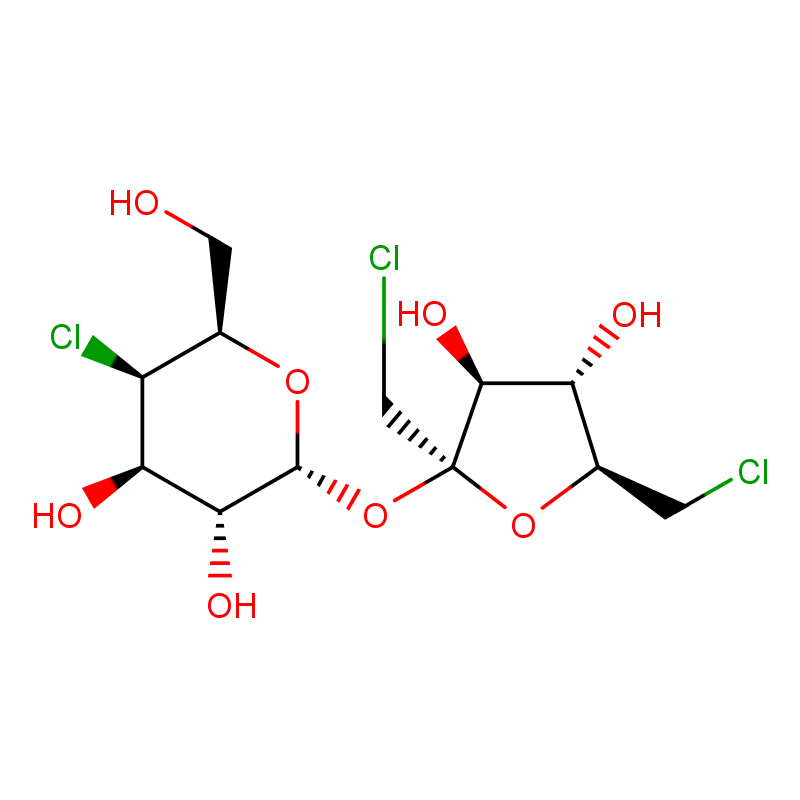
Advanced Patented Manufacturing Process:Produced through a multi-step process that selectively replaces hydroxyl groups with chlorine atoms to create a stable, non-nutritive sweetener.
FDA and Global Regulatory Approved:Recognized and approved by the U.S. FDA and other regulatory authorities, ensuring safety and reliability for food and beverage applications.
Products Description of Sucralose CAS#56038-13-2
Sucralose is the sole zero-calorie sweetener derived from sugar. One of the latest non-nutritive sweeteners approved by the U.S. FDA and international authorities, it is now widely available worldwide. Manufactured through a patented multi-step process that selectively replaces three hydroxyl groups in sugar with chlorine atoms, sucralose delivers intense sweetness—approximately 600 times that of sucrose, twice as sweet as saccharin, and four times sweeter than aspartame—with zero calories.
Product Application of Sucralose CAS#56038-13-2
Sucralose is a non-nutritive sweetener made from sucrose through selective chlorination. Its modified glycosidic structure resists acid and enzymatic hydrolysis, so it passes through the body unmetabolized. It is 400–800 times sweeter than sucrose, easily dissolves in water, and remains stable at high temperatures—ideal for baked and fried foods. Produced via Tate & Lyle's patented process (replacing 3 sucrose hydroxyl groups with chlorine), it is minimally absorbed and excreted unchanged. Approved for U.S. food and beverage use since 1999.
Parameters
Safety Information


Delivery Time
Inventory 2-3 working days New manufacturing 7-10 working days
Mode of Transportation
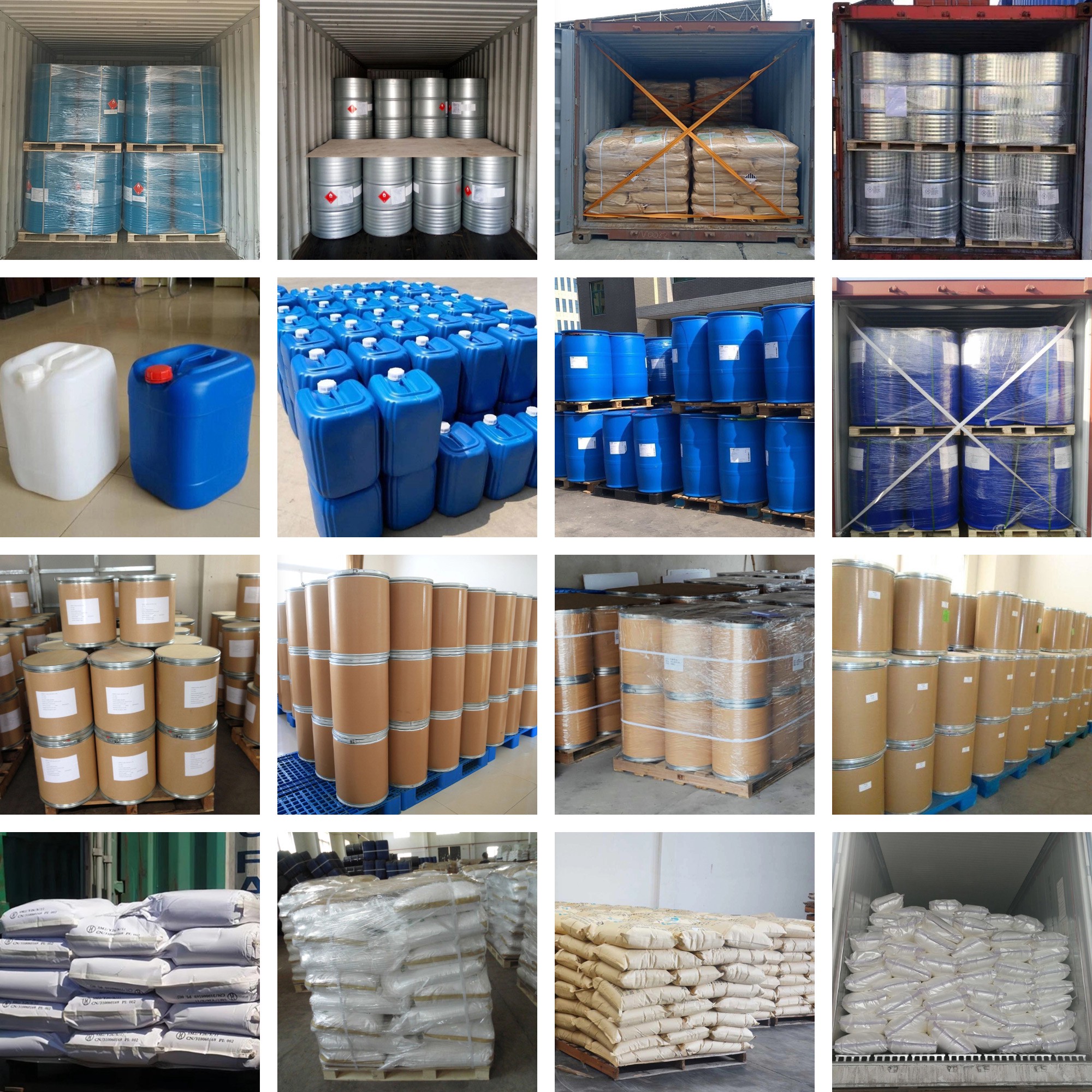
1. By Air, fast but expensive.
2. By Sea, usual and economy.
3. By Train, suit for middle Asia countries.
4. By Express, suit for small package.
We only provide highest quality goods available, accompanied by after support!
1. Why Supply Chain Transparency Matters in Global Chemical Procurement
Chemical buyers evaluate more than price and delivery time. Clear specifications, matching batch documents, consistent packaging information, and traceable logistics all affect customs clearance, warehouse inspection, and production use.
When selecting a supplier, buyers should review how the company confirms specifications, manages documents, handles changes, and responds to problems. Transparent processes help reduce order risks and improve long-term procurement reliability.
2. Seven Essential Details for a Chemical Product Inquiry
A product name alone is often insufficient for an accurate quotation. Buyers should provide the product name and CAS number, key specifications or purity, final application, required quantity, packaging requirements, destination, and expected delivery time or preferred Incoterms.
If COA, SDS, TDS, special labels, certifications, or registration documents are required, these details should also be included in the initial inquiry. Complete information helps suppliers confirm product, logistics, and documentation conditions more efficiently.
3. What Are the Differences Between COA, SDS, and TDS?
A COA is a batch-specific Certificate of Analysis showing test items, required ranges, and actual results. It is mainly used for quality verification and incoming inspection.
An SDS provides safety, handling, storage, emergency, and transportation information. A TDS describes typical product properties, technical parameters, and application guidance. Buyers should confirm the required document version, language, and applicable standards before placing an order.
4. Key Conditions to Confirm Before International Chemical Transportation
Before shipment, confirm the product identity, physical form, transport classification, and applicable regulations. An SDS is an important reference, but the final shipping arrangement must also meet regulatory and carrier requirements.
Packaging, sealing, moisture protection, palletizing, labels, ports, documents, Incoterms, and transport schedules should be clearly confirmed. Early verification helps prevent delays caused by carrier restrictions or incomplete documentation.
5. How to Evaluate Chemical Product Sample Test Results
Sample evaluation should consider both product compliance and application performance. Laboratory results do not always guarantee the same performance in every formulation or production process.
Before testing, record the sample batch, COA, storage condition, and sampling method. During application tests, keep consistent records of formulation, dosage, process conditions, and results. After approval, reconfirm the formal order specifications, inspection method, packaging, and batch documents.
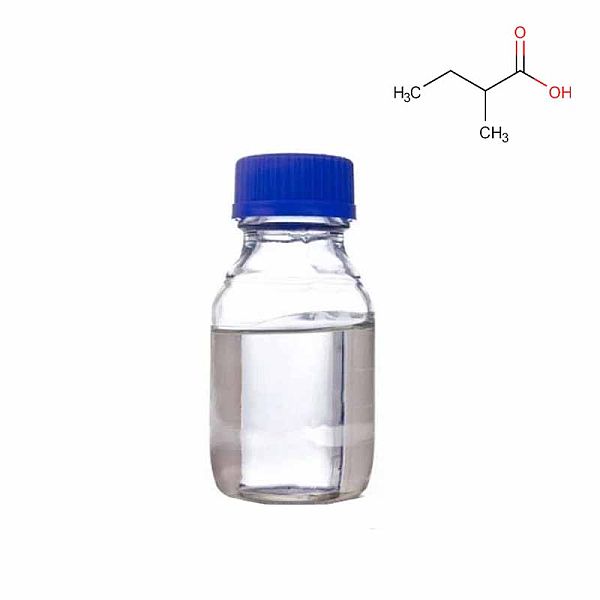
 2-Methyl butyric acid CAS#116-53-02-Methyl butyric acid CAS 116-53-0 offers a pungent dairy aroma and fruity note, ideal for flavoring, synthesis, and industrial applications.
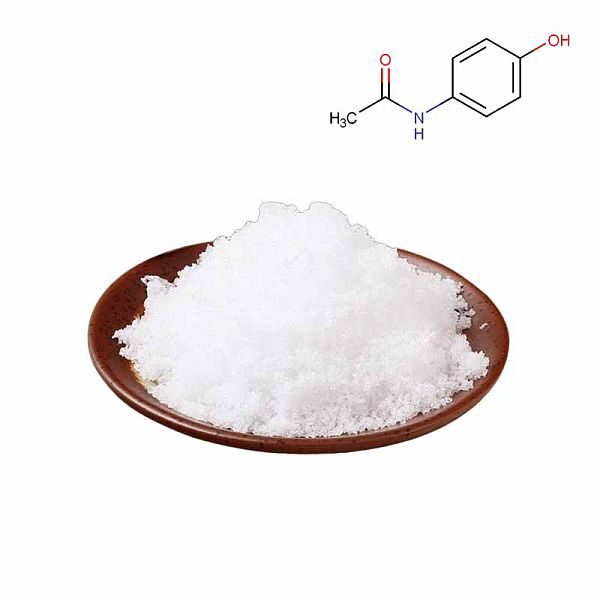
 Acetaminophen CAS#103-90-2Acetaminophen CAS 103-90-2 for analgesic and antipyretic use, with product data, applications, safety details, and chemical properties.
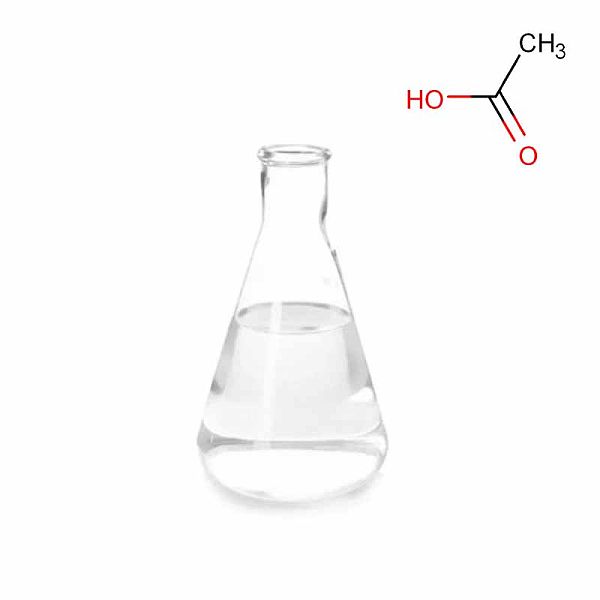
 Acetic acid CAS#64-19-7Acetic acid CAS 64-19-7 is a high-purity organic acid for chemical synthesis, solvents, pharma, and industrial applications.
 Activated Carbon CAS#64365-11-3Activated Carbon CAS 64365-11-3 offers strong adsorption for gas and liquid purification, deodorization, filtration, and chemical processing.
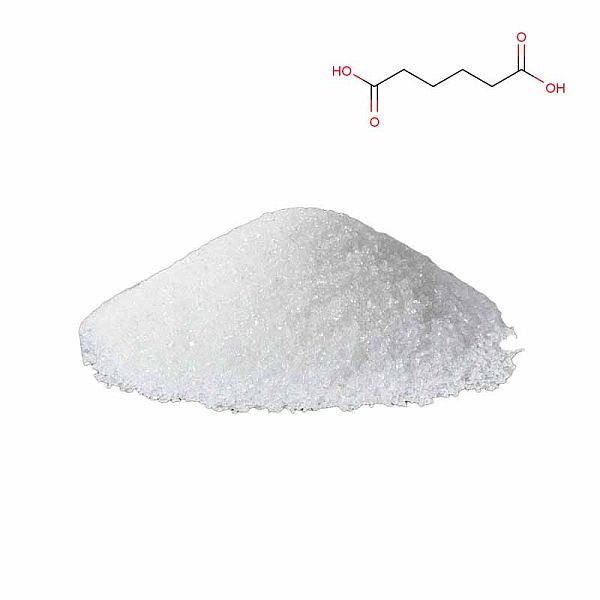
 Adipic acid CAS#124-04-9Adipic acid CAS 124-04-9 offers stable pH buffering, low acidity and non-hygroscopic performance for foods, beverages and powdered products.
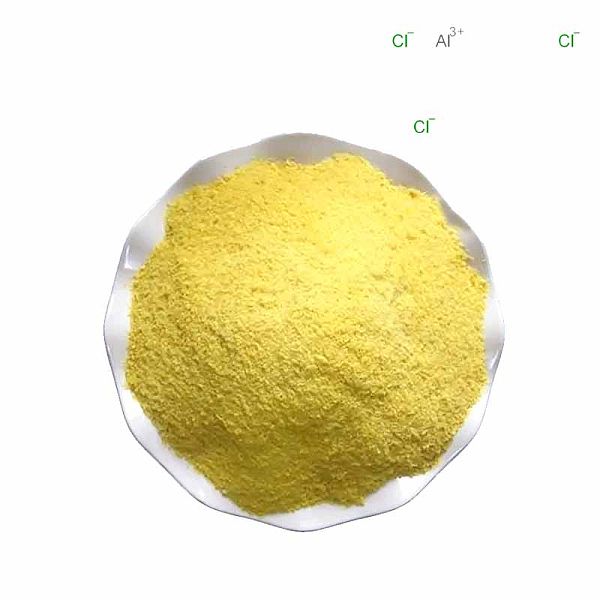
 Aluminum chlorohydrate CAS#1327-41-9Aluminum chlorohydrate CAS 1327-41-9 is a high-charge PAC coagulant for water treatment, with stable performance, broad pH adaptability, and easy handling.
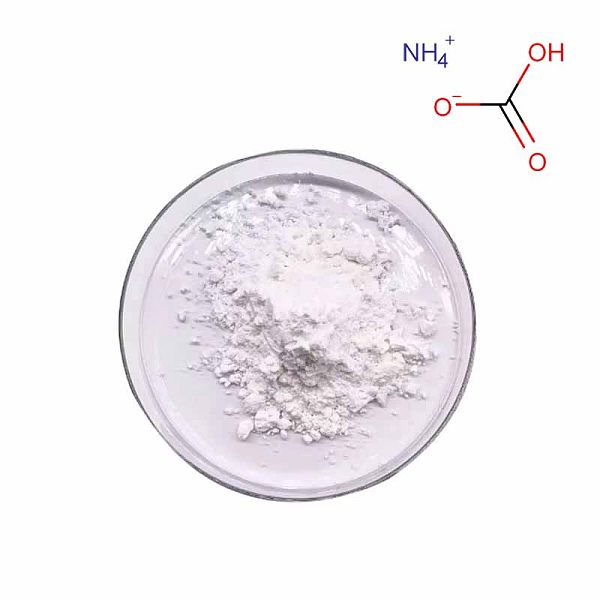
 Ammonium bicarbonate CAS#1066-33-7Ammonium bicarbonate CAS 1066-33-7 is a water-soluble nitrogen fertilizer used in agriculture, food processing, and industrial applications.
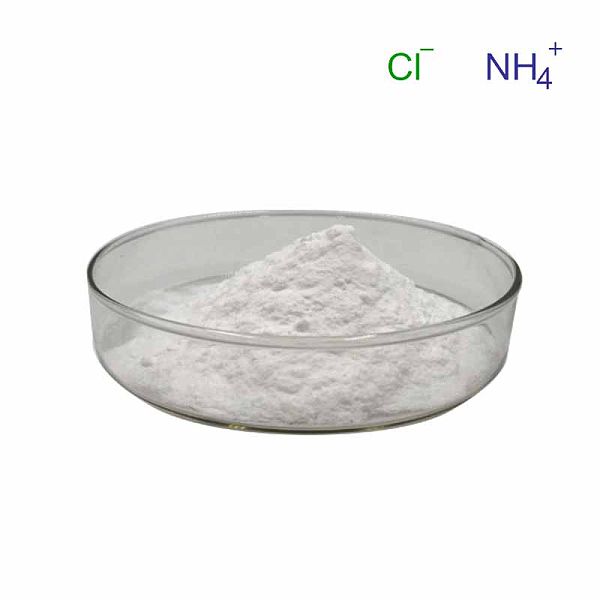
 Ammonium chloride CAS#12125-02-9Ammonium chloride CAS 12125-02-9 with high purity, strong solubility, and wide use in batteries, fertilizer, pharma, and electroplating.
Send Us Your Inquiry Today

Kaiweiao Chemical is a professional chemical product supplier with ample stock of all chemical categories and excellent quality, welcome your purchase inquiry.